

Tech News, Reviews & Buying Guides
Stay updated with the latest tech news, product reviews, buying guides, and expert insights on computer hardware, gaming components, and technology trends.
Ryzen 9 7900X vs Core i7-14700K: Which to Buy
These two trade blows in games and split on productivity, but the real difference is the platform. Here's which mid-high CPU to actually buy in 2026.
Ryzen 7 7700X vs Ryzen 9 7900X: Do More Cores Help Gaming?
The 7900X has four more cores and higher clocks, yet at 1080p it beats the 7700X by only about 1%. Extra cores do not make games faster — here is when the 7900X is still worth $96 more, and when it is not.
Micro-ATX vs ATX: Which Motherboard Size to Build In
At the same chipset, a Micro-ATX board games exactly like an ATX one. What you trade is expansion slots and case size, not frames.

IPS vs OLED Gaming Monitor: What Actually Changes
OLED wins motion and contrast outright, but a bright-room desktop, static HUDs, and the price tag are where it stops being the obvious pick.
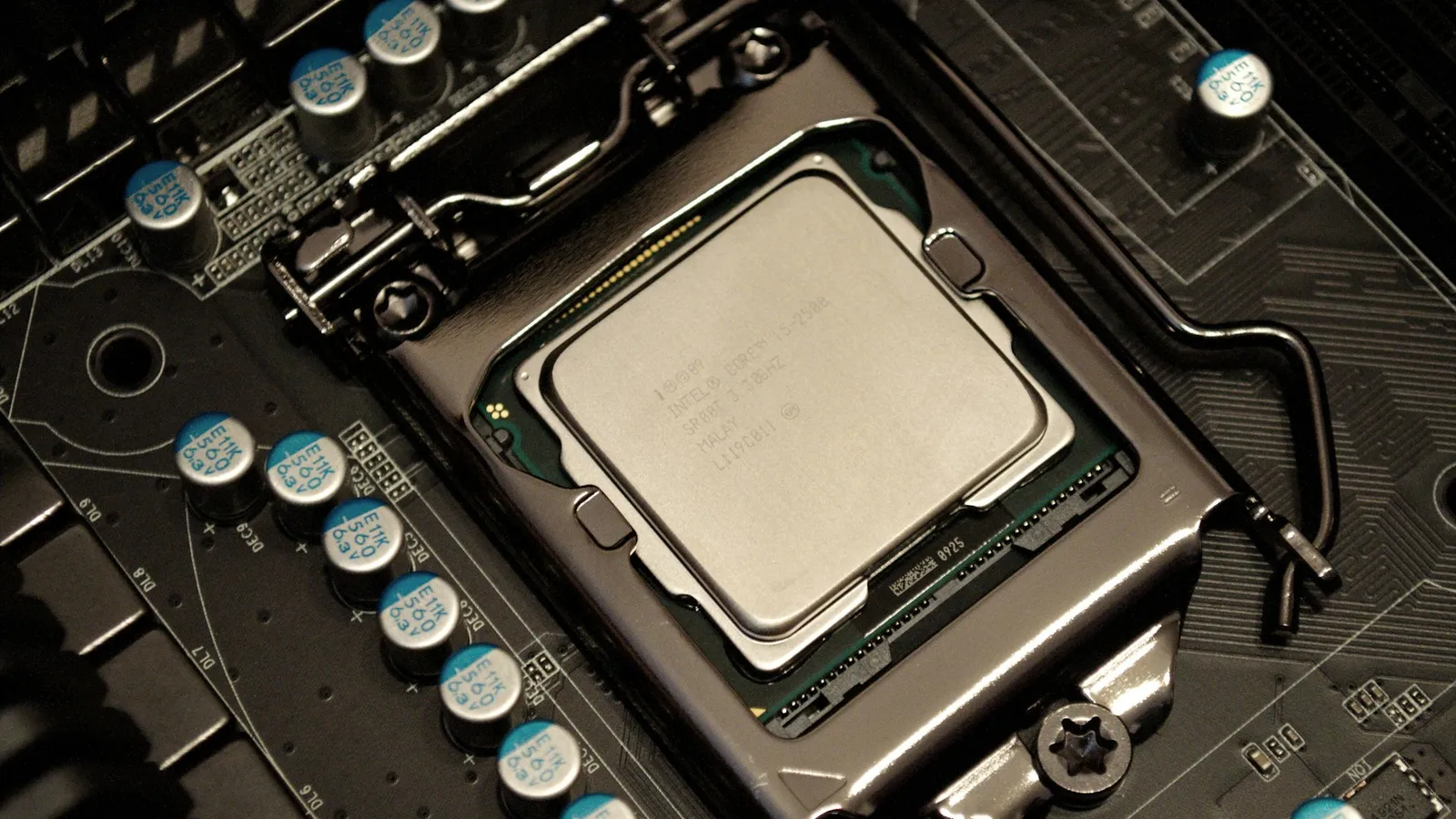
Ryzen 7 7800X3D vs Ryzen 5 9600X: Is the Gaming Chip Worth Double?
The Ryzen 7 7800X3D is the faster gaming chip, but it costs nearly double the Ryzen 5 9600X. Benchmarks put the average gap at 8.5% at 1080p and near zero at 4K. Here's when the premium pays off and when the savings belong in your GPU.
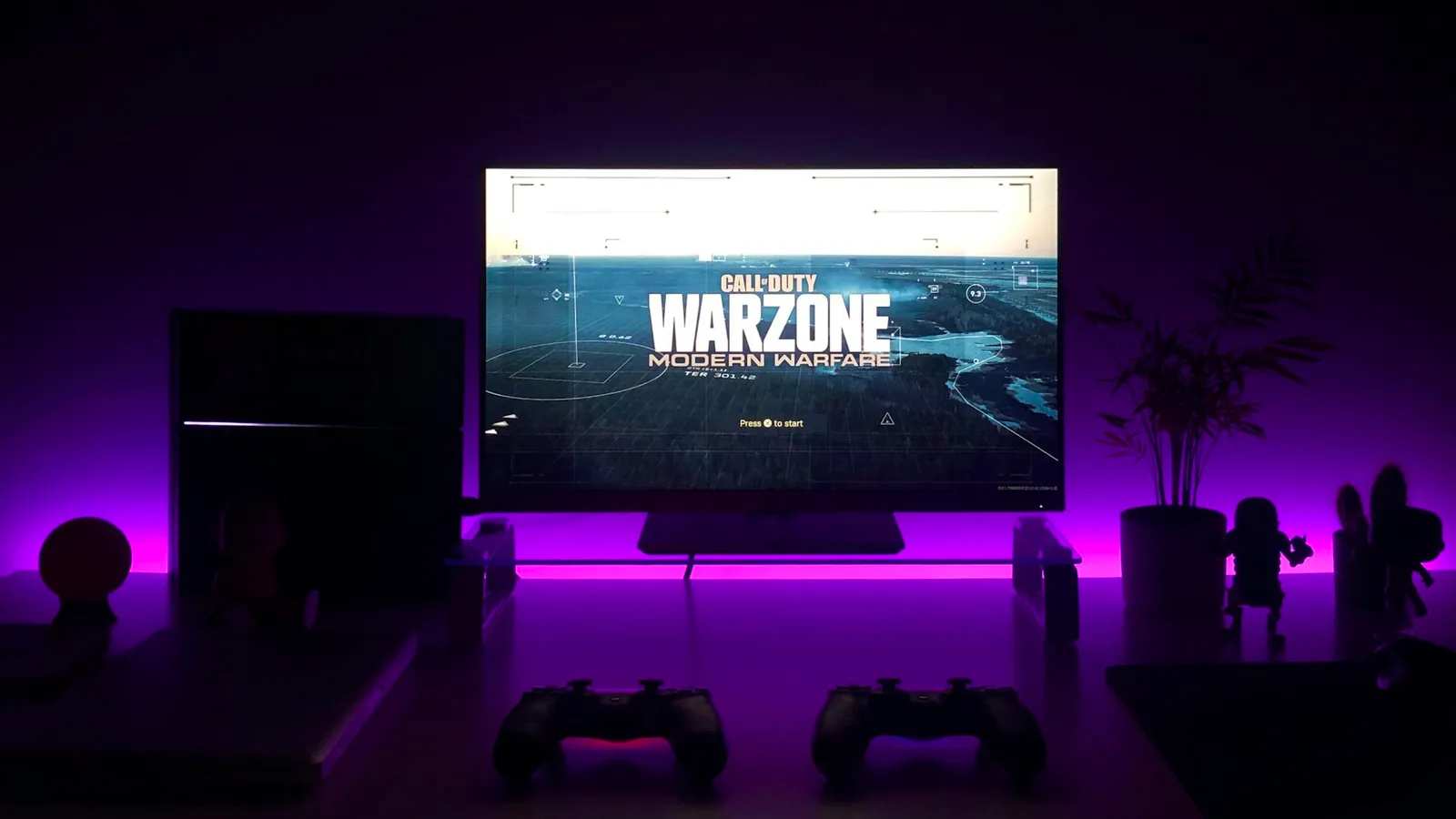
1440p 144Hz vs 4K 60Hz: Which Gaming Monitor Wins
At roughly the same price, a 1440p 144Hz panel and a 4K 60Hz panel pull in opposite directions. For gaming, high refresh wins for most people — here is the one case where 4K 60Hz is the smarter buy.

60Hz vs 144Hz: Is a High-Refresh Gaming Monitor Worth It?
The jump from 60Hz to 144Hz cuts frame time from 16.7ms to 6.9ms and roughly halves motion blur — the most noticeable monitor upgrade you can make. But it only helps if your GPU feeds the frames, and above 144Hz the gains shrink fast.
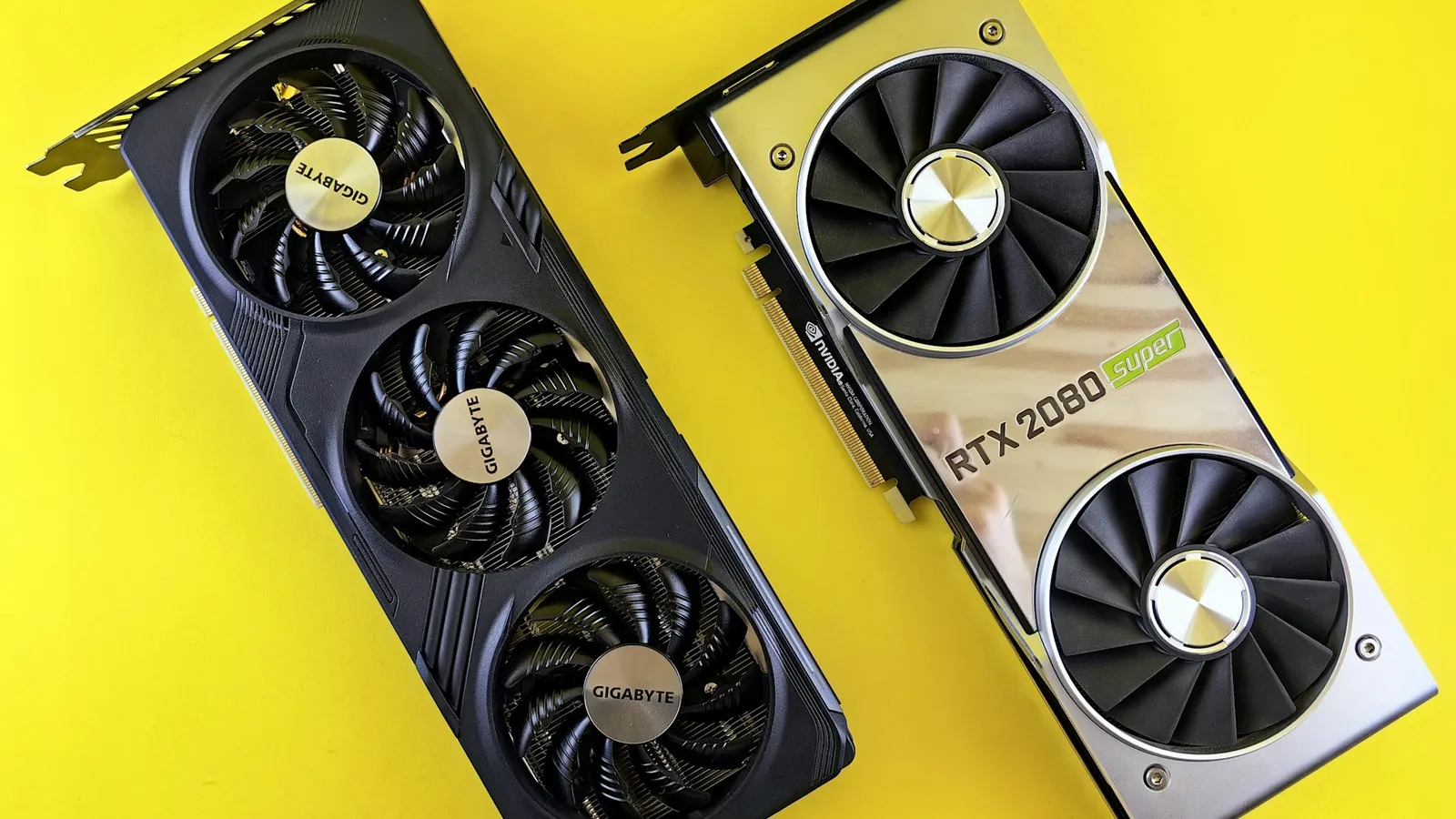
RTX 5060 Ti 8GB vs 16GB: What the Extra VRAM Changes
The 8GB and 16GB RTX 5060 Ti share the exact same GPU. At 1080p they tie, but at 1440p and with ray tracing the 8GB card stutters, pops textures, or crashes outright. Here is exactly when the extra memory is worth paying for.
Do You Need a PCIe 5.0 Motherboard for Your Graphics Card?
For most graphics cards the answer is no — a full-size x16 card loses about 1% on a PCIe 4.0 board. But a budget 8GB card that wires up over eight lanes can lose up to 10%. Here is how to tell which one you have.
Ryzen 5 9600X vs Ryzen 7 7700X: Newer Cores or More Cores?
The newer 6-core Zen 5 chip and the older 8-core Zen 4 chip game within a few percent of each other. Here's when the 7700X's extra cores are worth $65 — and when they do nothing.
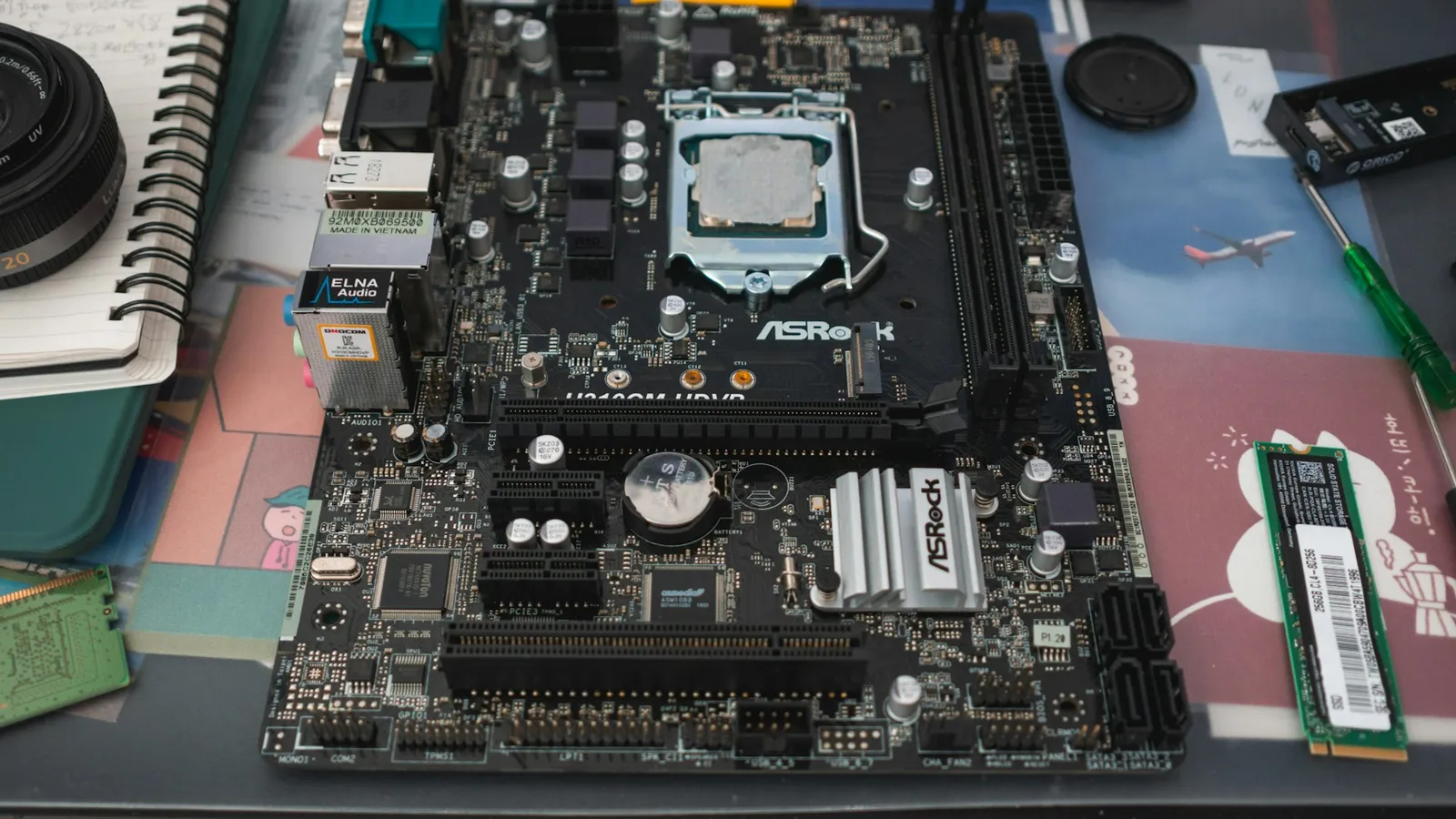
B650 vs X670: Which AM5 Chipset Do You Actually Need?
For a gaming PC, B650 and X670 produce identical frame rates — the chipset isn't in the frame-rate path. X670's second die adds USB ports and PCIe lanes most builds never touch, and AMD has already replaced it with X870E. Here's who actually needs the bigger chipset.
Best Budget GPU for 1080p Gaming in 2026: What Actually Holds 60 FPS
Three in-stock cards, one clear 1080p pick, and an honest look at why the cheapest GPU in the catalog trails a six-year-old GTX 1660 Ti.