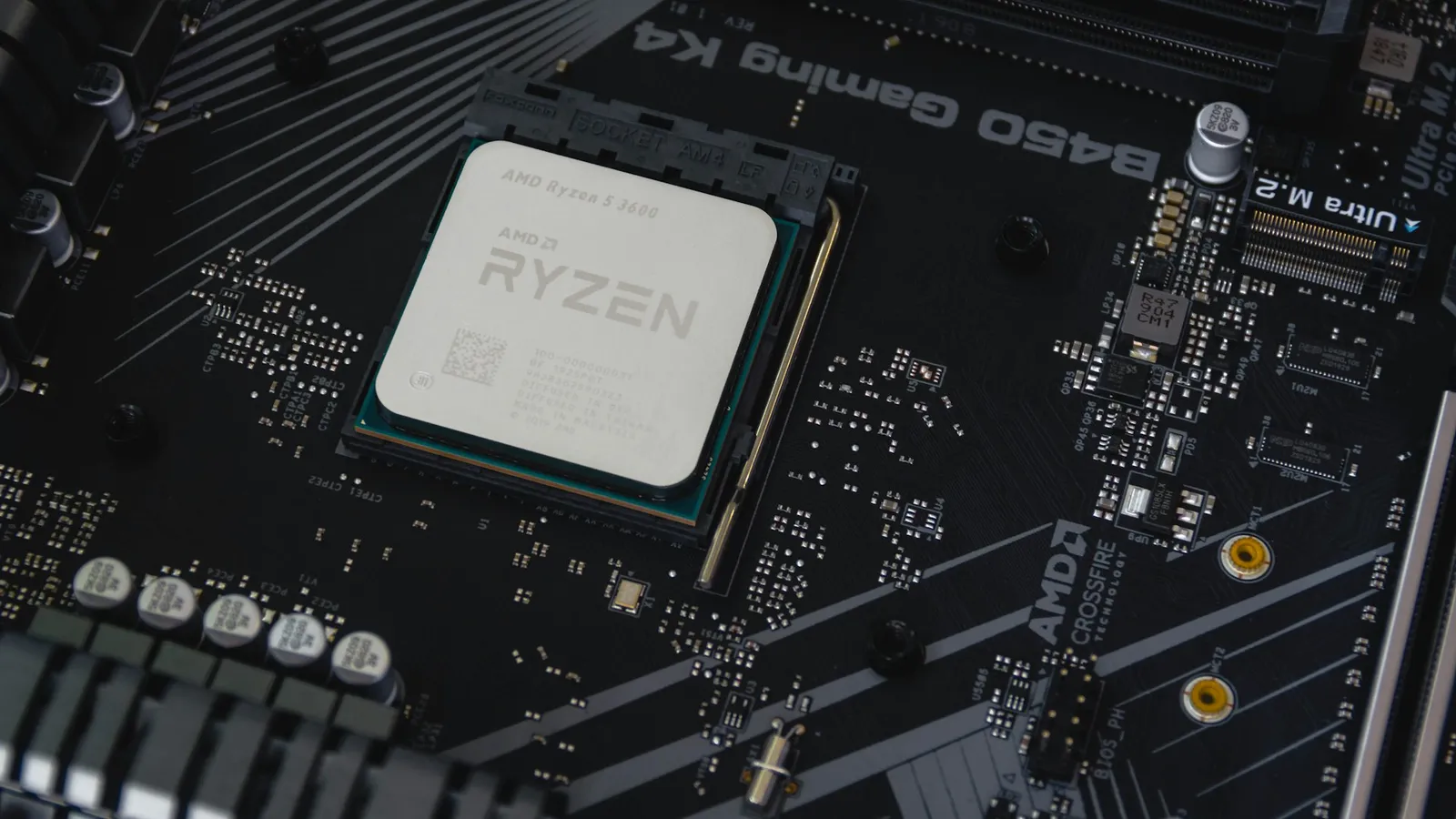

No. A Ryzen 7000 or 9000 processor will not work in an AM4 motherboard, because those chips use Socket AM5 and AM4 boards use Socket AM4 — two physically and electrically different sockets. AM4 is a pin-grid socket where the pins live on the chip, while AM5 is a land-grid array where the pins are in the socket (Socket AM5, Socket AM4). The CPU won't seat, and even if it somehow did, AM5 only runs DDR5 memory while AM4 is DDR4 — so there is no configuration where this works.
The question is fair, though, because AMD trained people to expect drop-in upgrades. AM4 ran from 2016 through five processor generations, so a 2017 board could often take a 2022 chip after a BIOS update. AM5 broke that chain on purpose: new socket, DDR5 instead of DDR4, and new 600/800-series chipsets. Ryzen 7000 was the clean-slate generation, not another AM4 drop-in.
Why Ryzen 7000 can't use an AM4 board
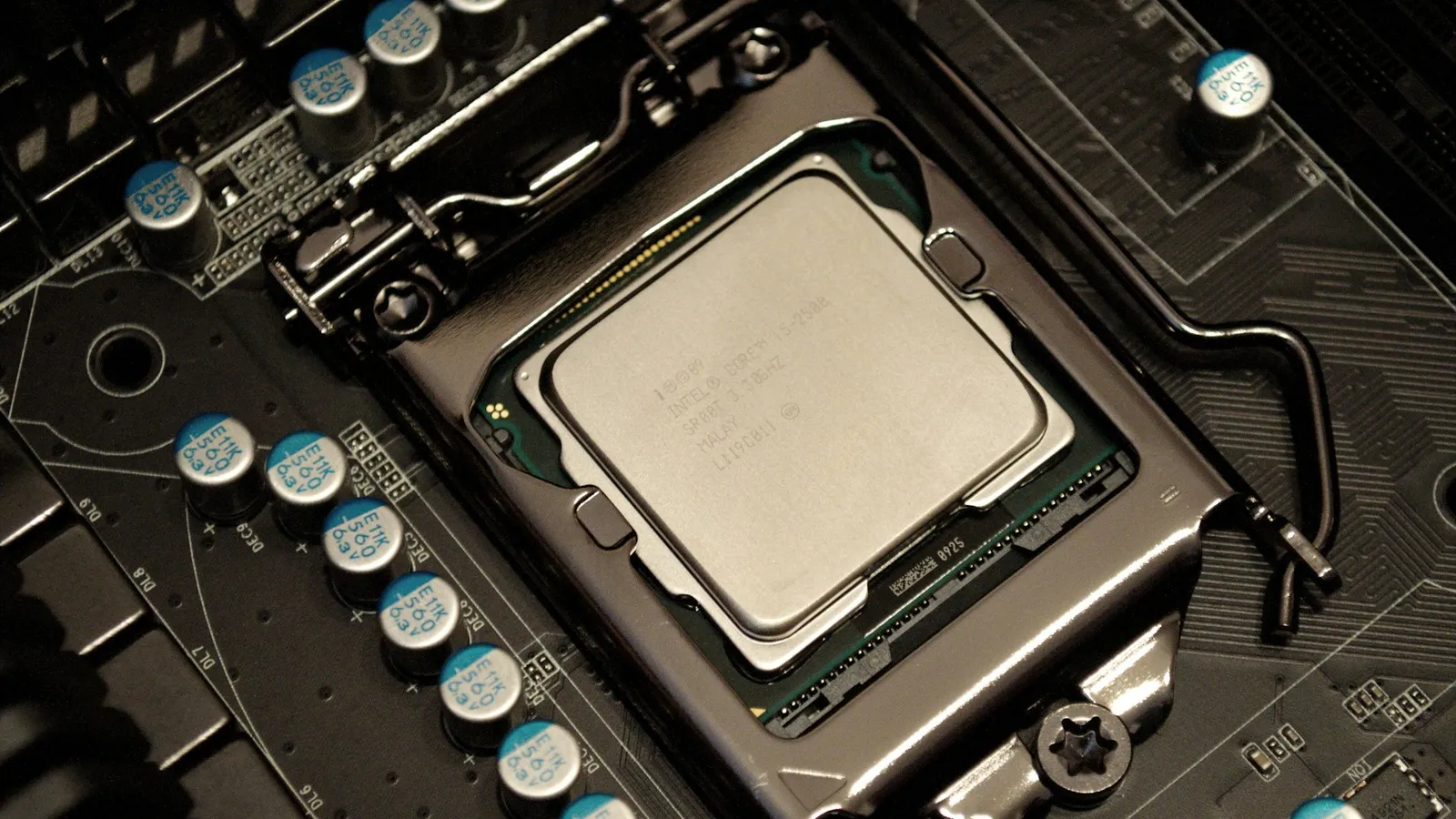
The block is the socket, and it's a hard one. AM4 uses a micro pin-grid array: 1331 delicate pins stick out of the bottom of the CPU and drop into holes in the board (Socket AM4). AM5 flips that — it's a 1718-pin land-grid array, where the pins are in the socket and the CPU has flat contact pads (Socket AM5). A Ryzen 7000 chip has no pins to drop into an AM4 board and a different contact layout, so it simply does not fit. There is no adapter, and forcing it would destroy both parts.
Memory is the second wall. AM5 is a DDR5-only platform; it does not support DDR4 at all, unlike Intel's LGA1700 which straddled both (Socket AM5). So even in a hypothetical where the socket matched, your existing DDR4 kit couldn't feed a Ryzen 7000 chip. This is also why you can't reuse AM4 memory when you move up — the DDR4 goes with the old platform.
What an AM4 motherboard actually supports
If you're keeping the AM4 board, the useful question is how far up it goes. The platform's ceiling is the Ryzen 5000 series on Zen 3, and for gaming specifically the peak is the Ryzen 7 5800X3D and the later 5700X3D, which stack 3D V-Cache onto the same socket. AMD re-released the 5800X3D precisely because so many people still run AM4 and wanted one more meaningful jump without changing boards (XDA).
That path has one requirement: a BIOS update. An older B450 or X470 board usually needs its firmware brought up to a version that recognizes Ryzen 5000 before the chip will post. Our guide on whether you need to update your BIOS for a new CPU covers how to check your board's support list and flash it safely. If your board is on the supported list, a 5000-series X3D chip is the cheapest large gaming gain you can get on AM4 — no new board, no new memory.
What you need to run a Ryzen 7000 or 9000 CPU
Three parts, in this order of cost.
An AM5 motherboard. Any A620, B650, B850, X670, or X870 board takes every current Ryzen. The entry point is cheap: the ASRock A620M Pro RS is a Socket AM5 board at $175.75 that runs a 7600X or 9600X without fuss. If you want more VRM headroom and USB4-class I/O for a higher-core chip, a B850 board at around $287 is the sensible mainstream step up.
A DDR5 kit. This is the part that stings in 2026. Memory makers have shifted capacity toward AI and server demand, and DDR5 retail prices have climbed hard this year (TechRadar). Budget for it honestly — on an AM5 build the RAM can cost as much as the CPU right now. When you do fit the kit, remember to switch on its EXPO profile or it runs at a slow default; see why DDR5 runs slow until you enable EXPO/XMP.
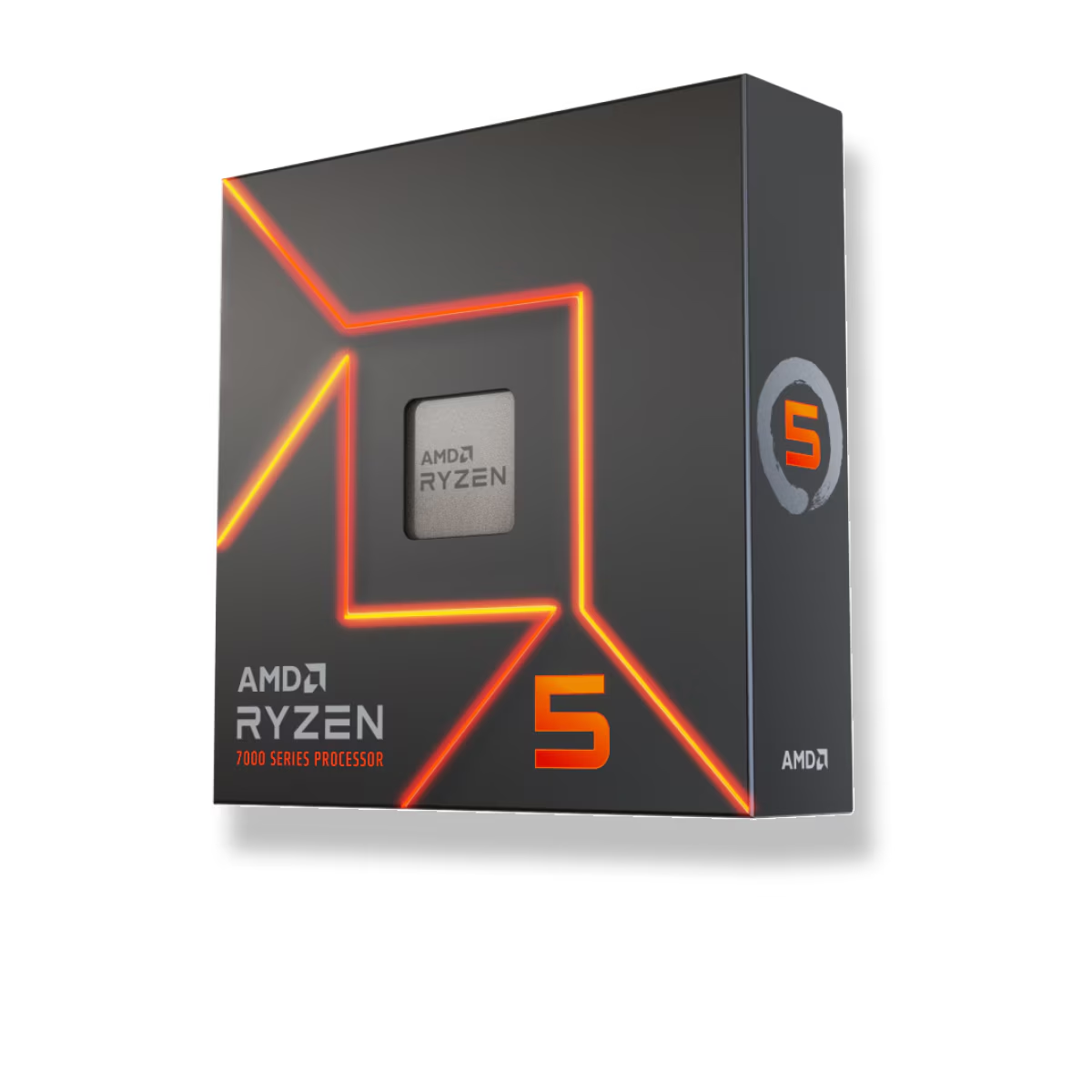
The CPU — often the easy part. For most gamers the Ryzen 5 7600X at $208.34 is the value entry to AM5, and the newer Ryzen 5 9600X at $225.40 adds Zen 5 for a small premium. If the build is gaming-first, the Ryzen 7 7800X3D at $439.77 is the chip to beat — our best CPU for 1440p gaming guide explains why 3D V-Cache wins there, and 7600X vs 9600X covers the entry-level choice.
Good news on the cooler: you can usually keep yours. AMD left AM5's mounting hardware identical to AM4, so most AM4 coolers bolt straight onto an AM5 board — our breakdown of whether an AM4 cooler fits an AM5 motherboard covers the one exception. You can drop any of these combinations into our PC Builder, which flags a socket or memory mismatch before you order.
The honest trade-off in 2026
AM5 is the better long-term buy, and it isn't close. It's supported through at least 2029 (XDA), so the board you buy now can take a faster chip in a couple of years — exactly what made AM4 worth it in the first place. Buying a final CPU for an AM4 board gets you nothing after that.
But be realistic about the bill. With DDR5 prices where they are this year, a full AM5 jump — board plus memory plus CPU — costs a lot more than it did in 2024, and most of the increase is the RAM, not the CPU or board. If your AM4 system still games fine and money is tight, dropping a 5000-series X3D chip onto your existing board is the cheaper move, and there's no shame in it. If you're building new or your current rig is genuinely holding you back, go AM5 — just don't underestimate the memory line on the invoice.