
It depends on the exact model. The three 65W non-X chips — the Ryzen 5 7600, Ryzen 7 7700, and Ryzen 9 7900 — ship with an AMD Wraith cooler in the box. Every X and X3D model — the 7600X, 7700X, 7800X3D, 7900X, 7950X, and 7950X3D — comes with no cooler at all. So if the CPU in your cart has an X in the name, you need to buy a cooler separately, and most people forget to budget for it.
This matters because the chips most gamers actually buy — the X-series and X3D parts — are exactly the ones that ship bare. Below is the full per-model breakdown, why AMD leaves the box empty, and what to spend so you don't over- or under-cool the chip.
Which Ryzen 7000 chips include a cooler
The rule is the TDP, not the tier. AMD bundles a cooler only with the 65W parts, where a small stock heatsink can realistically keep up.
| CPU | Default TDP | Cooler in the box |
|---|---|---|
| Ryzen 5 7600 | 65W | Yes — Wraith Stealth |
| Ryzen 7 7700 | 65W | Yes — Wraith (Prism at launch) |
| Ryzen 9 7900 | 65W | Yes — Wraith (Prism at launch) |
| Ryzen 5 7600X | 105W | No |
| Ryzen 7 7700X | 105W | No |
| Ryzen 7 7800X3D | 120W | No |
| Ryzen 9 7900X | 170W | No |
| Ryzen 9 7950X | 170W | No |
| Ryzen 9 7950X3D | 120W | No |
At launch AMD paired the Ryzen 7 7700 and Ryzen 9 7900 with the RGB Wraith Prism and the Ryzen 5 7600 with the shorter Wraith Stealth (VideoCardz). AMD has since retired the Prism and Spire, so newer boxed non-X chips tend to arrive with the Wraith Stealth instead (Tom's Hardware). Either way, the box is not empty on a 65W part.
Why the X and X3D chips ship bare
AMD assumes anyone buying an X-series or X3D chip already owns a cooler or wants to pick a better one. That assumption is correct on the numbers: a stock Wraith can hold a 65W chip, but it has no chance against a 170W Ryzen 9 7950X, which will hit its thermal limit and throttle under an all-core load. Leaving the cooler out also keeps the CPU's price down and avoids shipping a heatsink most buyers would immediately set aside.
The X-series does not ship without a recommendation, though — AMD's own guidance for its 105W and 170W parts points to liquid cooling or a high-end air tower, which is a polite way of saying the old boxed cooler was never going to be enough.
What cooler to actually buy
Match the cooler to the chip's TDP, not to its RGB.
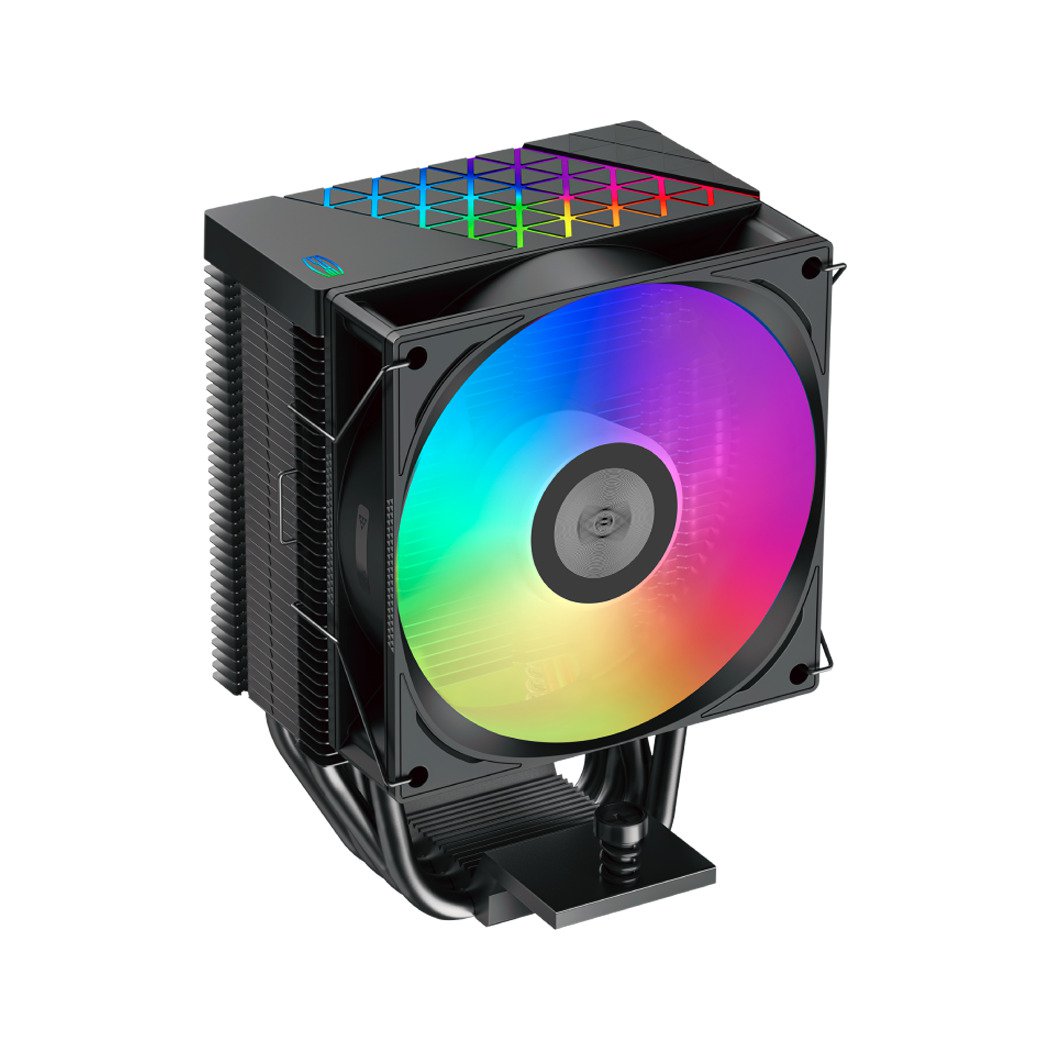
105W–120W chips (7600X, 7700X, 7800X3D). A single-tower air cooler handles these comfortably. Something like the PCCOOLER R400 ARGB at $29.99 is rated for up to 180W and clears a 105W 7700X without drama; step up to a 5-heatpipe tower around $60 if you want lower noise and more headroom.
The Ryzen 7 7700X ($281.43) and Ryzen 7 7800X3D ($415.41) both sit in this tier. The 7800X3D is the easy case: its stacked cache caps the voltage it can run, so it draws less and runs cooler than a standard 8-core part, and a $30–$60 air cooler keeps it in line.
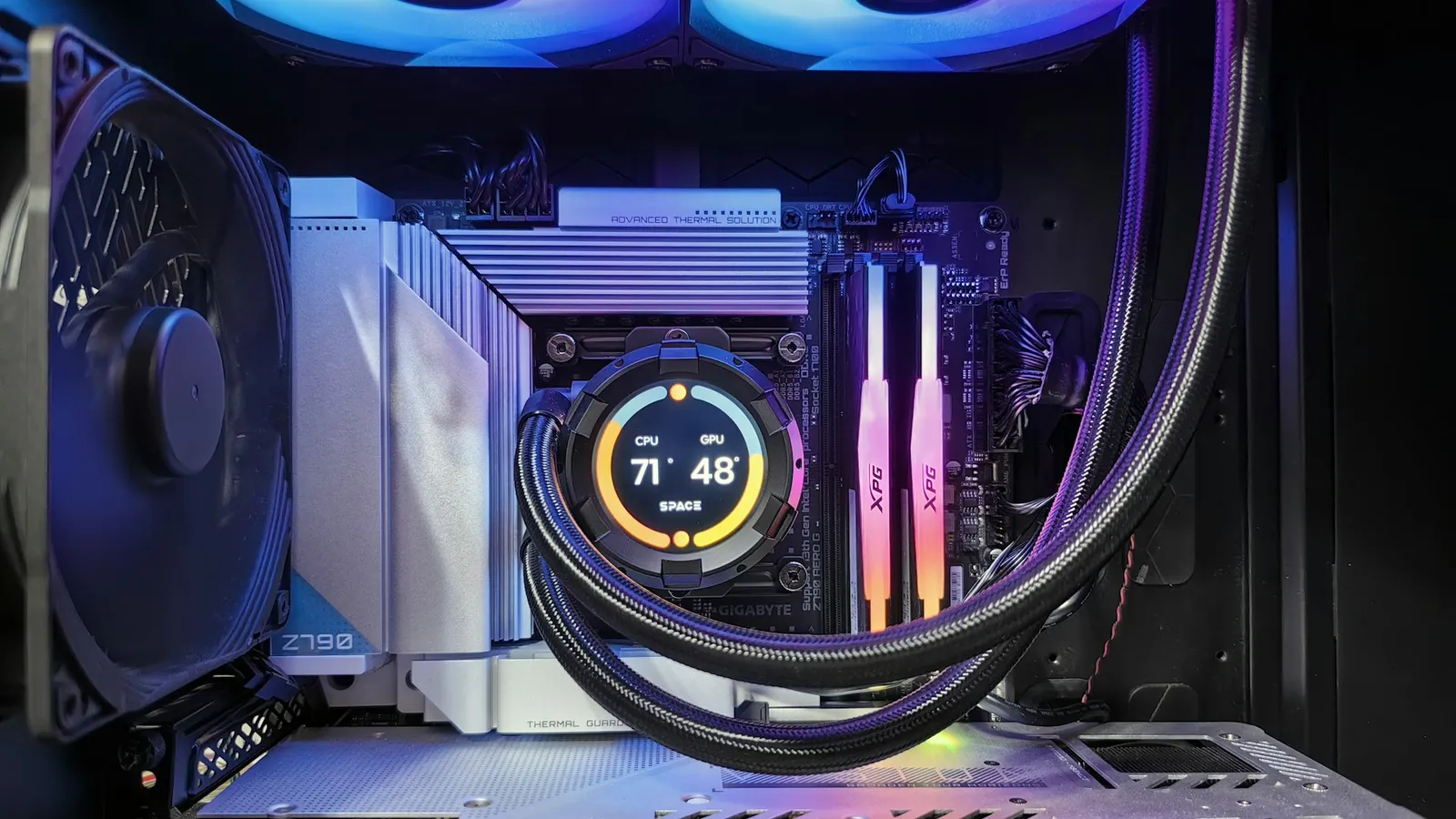
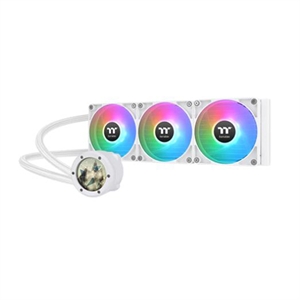
170W chips (7900X, 7950X). This is where a 240mm or 360mm AIO earns its price. A 360mm unit like the Thermaltake TH360 V2 ARGB ($153.17) gives these chips the radiator area they need for sustained all-core work; a top-tier dual-tower air cooler is the quieter alternative if your case won't take a radiator.
If you're picking parts from scratch, you can confirm the cooler clears your case and socket in our PC Builder before you buy.
When you're paying for cooling you don't need
The most common waste is bolting a $150 360mm AIO onto a Ryzen 7 7800X3D. The chip is voltage- and thermally capped by its 3D V-Cache; a $40 air cooler already keeps it well under its limit, and the AIO returns nothing but a few quieter decibels and one more pump that can fail. Spend that money on the GPU instead.
The flip side is also honest: the bundled Wraith Stealth on a 65W chip is adequate, not good. It will hold stock clocks, but it runs loud under a heavy all-core load and leaves no room for tuning. If you bought a non-X chip and the fan noise bothers you, a $30 tower is a worthwhile swap even though you technically already have a cooler. For the longer air-versus-liquid decision, see Air Cooler vs AIO and, for the X3D specifically, Does the Ryzen 7 7800X3D Need an AIO?.