
For most 1440p gaming builds in 2026, the AMD Ryzen 7 7800X3D ($409.99) is the CPU to beat — TechPowerUp still rates it the fastest gaming CPU it has tested, thanks to its stacked 3D V-Cache. But here is the part most roundups skip: at 1440p your graphics card does most of the work, so a $203 Ryzen 5 7600X often lands within a few frames of a $670 chip in GPU-bound games. The right CPU depends on how CPU-bound the games you actually play are.
That gap between marketing and reality is the whole problem. Box art pushes 16-core flagships as gaming parts, but games rarely use more than eight cores, and the higher you push resolution, the more the GPU — not the CPU — sets your frame rate.
How we picked
We ranked on in-game frame rates and 1% lows, not core count, Cinebench scores, or PCIe lane counts — none of which change how a game runs. Reviewers test CPUs at 1080p on purpose: the low resolution removes the GPU ceiling and exposes the processor's true limit, which is why the 1080p numbers below look larger than what you will see at 1440p. TechSpot makes the same point — 1080p reveals the CPU gap that 1440p and 4K hide. Every chip here is in stock in our catalog at the price listed; we do not recommend parts you cannot buy today.
AMD Ryzen 7 7800X3D — best overall for 1440p gaming
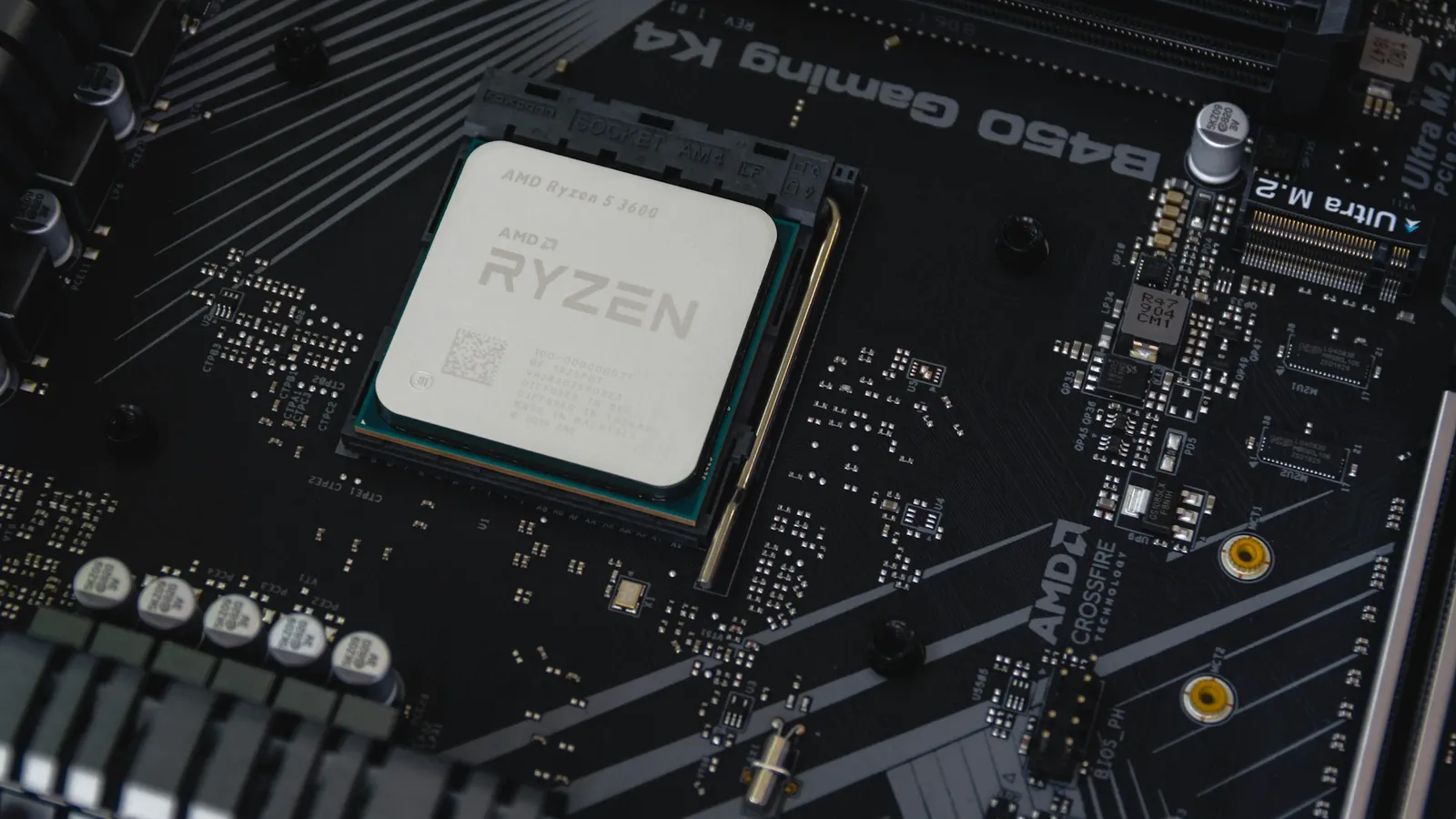
The 7800X3D is eight cores and 16 threads with 96 MB of L3 cache, most of it stacked 3D V-Cache. Game engines stall waiting on data more than they stall on raw clock speed, and that oversized cache is what keeps them fed. TechPowerUp names it the fastest gaming CPU in its suite, tested at 1080p and 1440p on an RTX 4090.
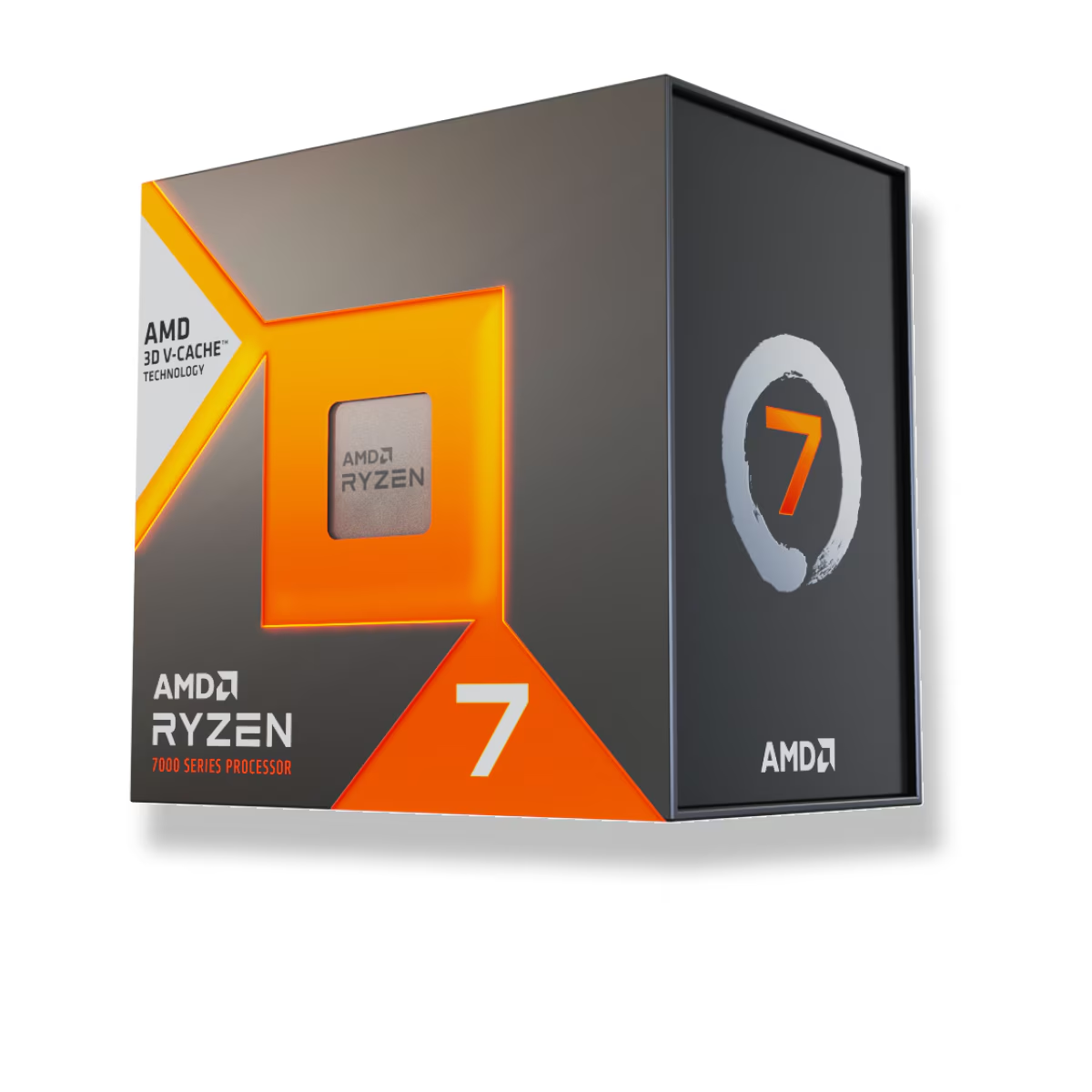
Tech4Gamers' 10-game run at 1080p on an RTX 4090 puts it about 13% ahead of the Core i5-14600K on average, stretching to roughly 19% in Cyberpunk 2077 and 23% in Fortnite, while a GPU-bound title like The Last of Us Part I narrows to about 5%. It also runs cooler and draws less power than Intel's K-series chips. At $409.99 it is not the cheapest way to game, but it is the least compromised.
Best for: high-refresh 1440p, and cache-hungry simulation and strategy games (flight sims, city-builders, Factorio) that still tax the CPU at any resolution. Skip it if: you also do heavy rendering or compiling — an eight-core chip leaves performance on the table there, and a 9950X earns its price in those workloads, just not in games.
AMD Ryzen 5 7600X — best value for 1440p
Six cores, 12 threads, and at 1440p that is usually plenty, because the GPU is the ceiling long before the CPU is. At $203.27 it costs less than half the 7800X3D, and in GPU-bound AAA games at 1440p the difference between the two often collapses to a handful of frames.

Where you will feel the gap is CPU-bound work: competitive esports at 240+ FPS and heavy simulations. For a mainstream 1440p build paired with an RTX 5060- or 5070-class card, the 7600X lets you route the savings into the graphics card, which is exactly where they buy more frames.
Best for: 1440p builds where the budget should favor the GPU. Skip it if: you chase very high refresh in competitive titles or run cache-heavy sims — step up to the 7800X3D.
AMD Ryzen 5 9600X — the newer Zen 5 alternative
The Ryzen 5 9600X ($215) is the Zen 5 sibling to the 7600X: same six cores and 12 threads, slightly higher IPC and better efficiency, on the same AM5 socket with a clean upgrade path to future chips. In games the difference to the 7600X is small enough that price should decide between them. It does not challenge the 7800X3D for the gaming crown — it is a value and platform pick, not a frame-rate one.
Best for: new AM5 builds that want the latest platform and room to upgrade later. Skip it if: the 7600X is cheaper the day you buy — the in-game difference is marginal.
Intel Core i5-14600K — the Intel value pick
The Core i5-14600K ($282.99) is 14 cores (6 performance + 8 efficiency) and a strong all-rounder: competitive in raster gaming and better at background multitasking than any six-core. But it sits about 13% behind the 7800X3D in gaming on average, runs hotter, and pulls more power, so budget for a capable cooler and an LGA1700 board.
Best for: mixed gaming and productivity on a budget, or anyone set on Intel. Skip it if: gaming is the priority — the 7800X3D is clearly faster, and the 7600X is cheaper while staying close in GPU-bound 1440p.
Where extra cores stop helping
This is the section the spec sheets bury. Modern games scale well up to about eight cores and then flatten out — past that, more cores add threads that games do not use. That is why a 16-core Ryzen 9 9950X ($673.13) or a Core i9 trades blows with, and sometimes loses to, the cheaper 7800X3D in games: gaming rewards cache and clocks, not core count. Those flagships are rendering and compiling machines that happen to game well, not gaming chips.
Resolution compresses the whole picture further. The double-digit gaps you see in 1080p reviews are the CPU's ceiling, not your daily experience — at 1440p and 4K, TechSpot's testing shows most of that spread evaporating as the GPU becomes the limiter. The practical rule: buy the cheapest CPU that keeps your GPU fed, then put every remaining dollar into the GPU itself.
One more saving specific to the X3D chips: their huge cache makes them relatively insensitive to memory speed, so you can pair a 7800X3D with a solid DDR5-6000 CL30 kit instead of an expensive high-frequency one — see DDR5-6000 vs DDR5-8000 for why faster memory buys little here. When you are ready to spec the whole system with compatibility checked automatically, build it in our PC Builder.