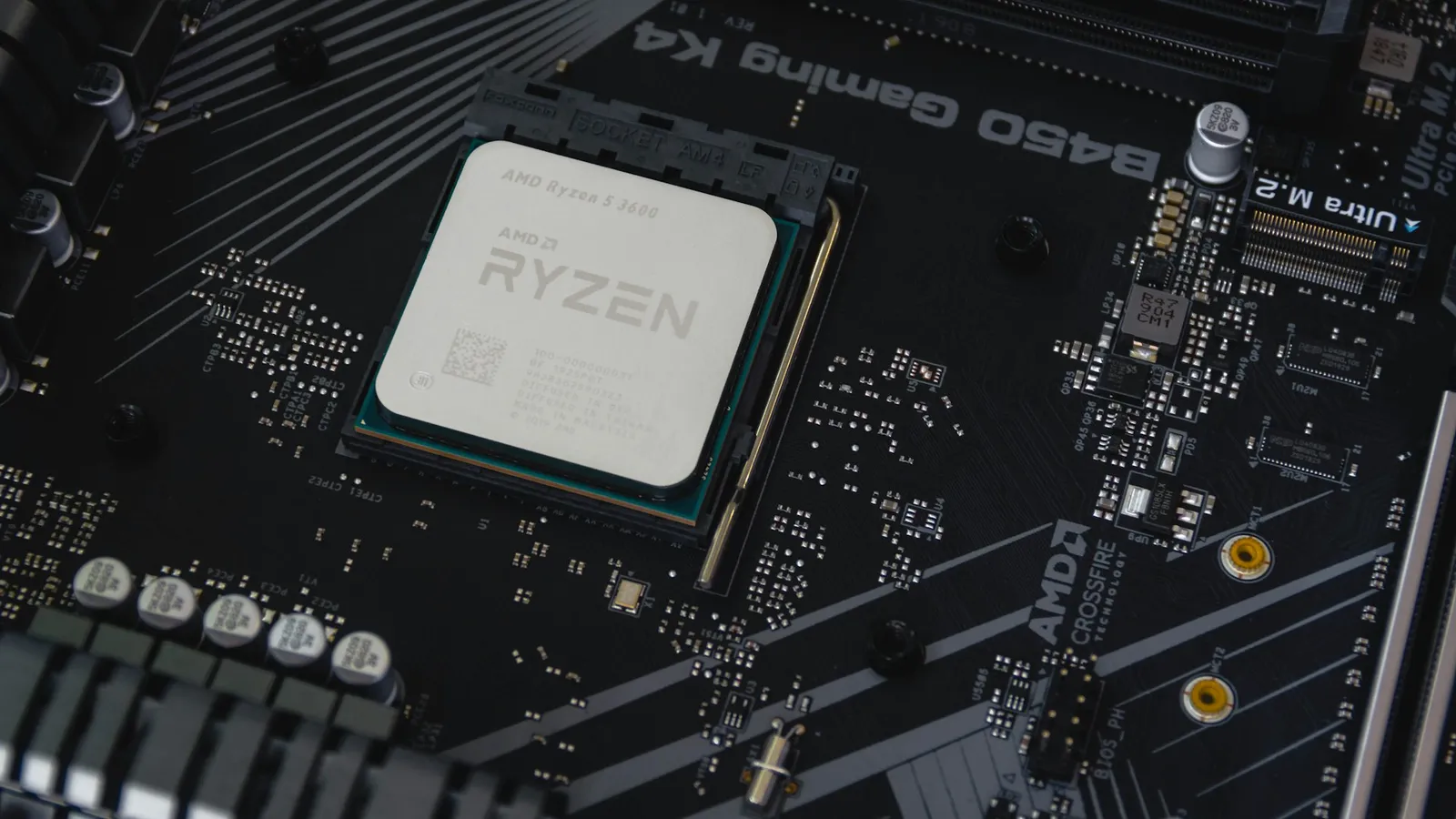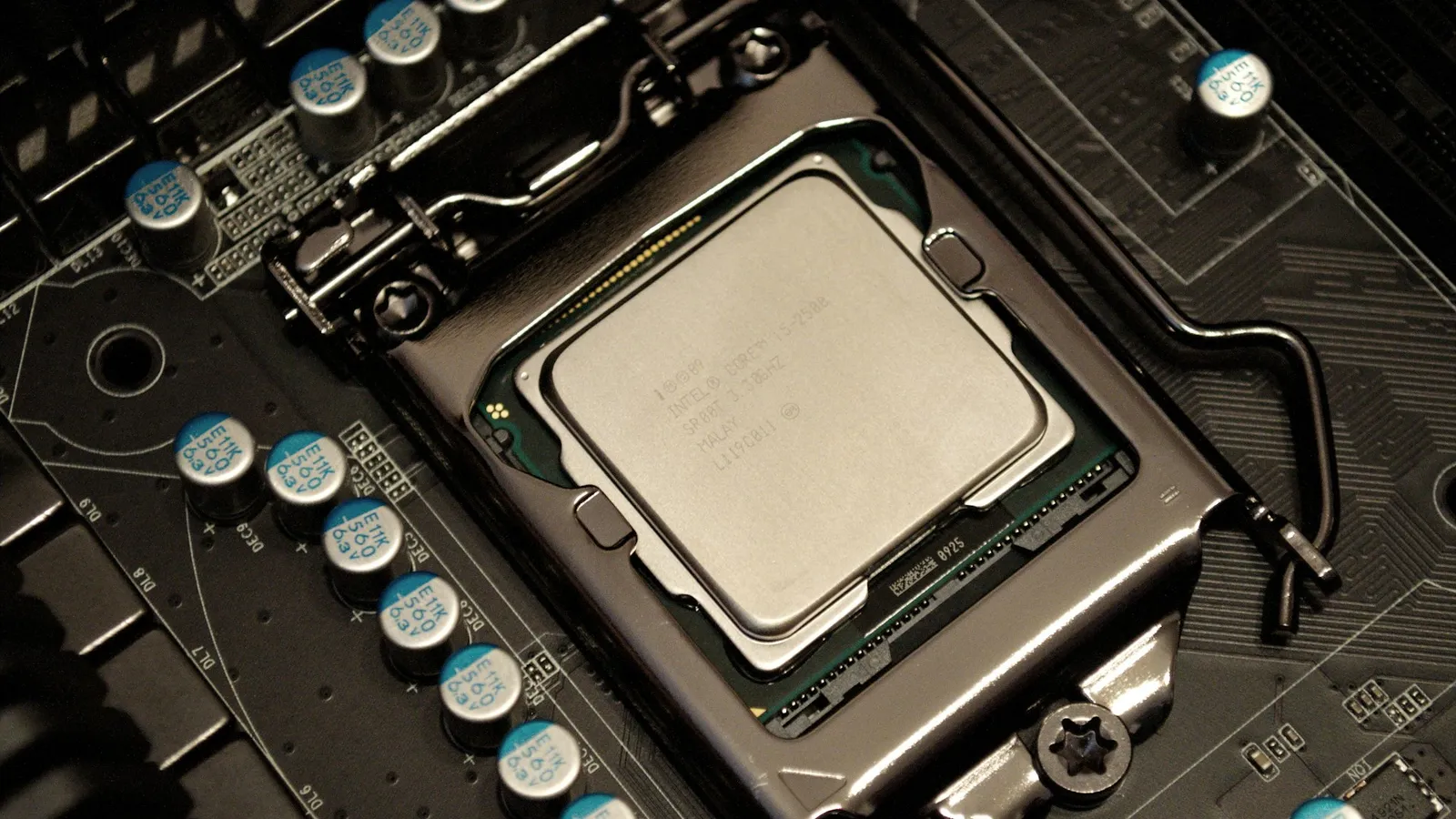

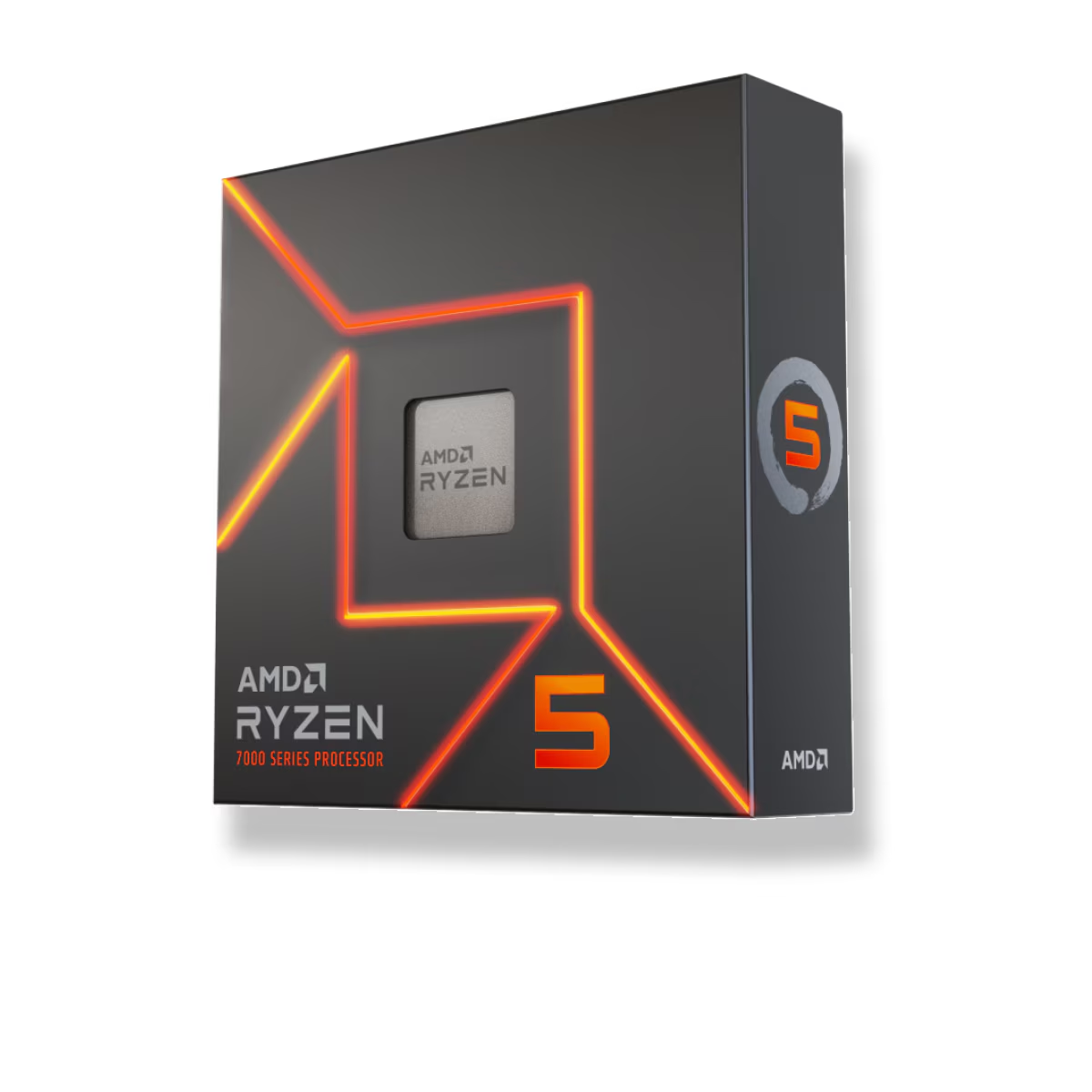
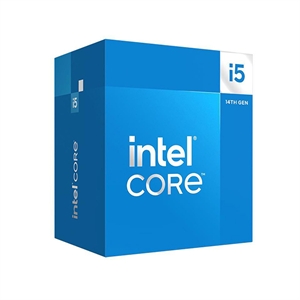
For a gaming-only PC, buy the Ryzen 5 7600X at $208.34. The Core i5-14600K at $369.98 is faster — about 8% ahead in CPU-limited testing — but it costs roughly 78% more, runs far hotter, and sits on a dead-end socket. That 8% gap also shrinks to almost nothing once you play at 1440p or 4K, where your GPU sets the frame rate. The one buyer who should pay the premium is the person who also renders, compiles, or streams with a CPU encoder: the 14600K's 14 cores leave the six-core 7600X far behind in that work.
The reason this matchup confuses people is that review charts are run at 1080p on an RTX 4090 to expose the processor on purpose. Those numbers are real, but they describe a scenario most buyers never hit. Pair either chip with a mainstream GPU at 1440p and the two land within a frame or two of each other in most games.
Gaming performance
At 1080p on an RTX 4090 — the test built to remove the GPU as a limit — TechSpot's 14th Gen review put the 14600K about 8% ahead of the 7600X across a 12-game average. For context, that same review had the 14600K only 4% ahead of the eight-core Ryzen 7 7700X, so the 7600X is closer to both than its core count suggests.
That 8% is the best case for Intel, not the typical one. It assumes a top-tier GPU and a CPU-bound resolution. Move to 1440p with a mainstream card and the GPU becomes the bottleneck in most titles, so the two chips converge. The result also swings game to game: TechSpot's suite included titles where the 7600X came out ahead, by double digits in at least one case. An 8% average is a real edge for competitive players chasing high-refresh 1080p — it is close to irrelevant for a 1440p/60–120 build.
| Ryzen 5 7600X | Core i5-14600K | |
|---|---|---|
| Cores / threads | 6 / 12 | 14 (6P + 8E) / 20 |
| 1080p gaming (RTX 4090, TechSpot) | baseline | ~8% faster |
| Cinebench R23 multi-core (FPS Review) | baseline | ~65% faster |
| System power under load (TechSpot) | much lower | ~310W |
| Socket / platform | AM5 (support to 2029) | LGA1700 (end of line) |
| Price (TechCortex) | $208.34 | $369.98 |
Where the 14600K actually pulls ahead: multi-core work
This is the 14600K's real argument, and it is a strong one. Fourteen cores and twenty threads dwarf the 7600X's six cores and twelve threads, and the gap shows up the moment a task uses them all. FPS Review measured the 14600K roughly 65% faster than the 7600X in Cinebench R23 multi-core — far larger than the 8% gaming spread.
If your machine does real work between gaming sessions — video export, 3D rendering, code compilation, or streaming with x264 CPU encoding — that 65% is time you get back on every job. For a pure gamer, those eight extra E-cores sit idle most of the time, and you paid for them anyway.
Power, heat, and the socket you are buying into
The 14600K's extra cores come with extra heat. Its 125W base / 181W turbo power rating is well above the 7600X's 105W class, and TechSpot measured the full system pulling around 310W under application load. In practice that means budgeting for a stronger air cooler or a 240mm AIO, where the 7600X is happy on a competent mid-tower air cooler. For a fair comparison on noise and temperatures, see our take on air cooler vs AIO.
The socket is the quieter but bigger factor. The 7600X drops into AM5, which AMD has committed to supporting through 2029 — so the same board can take a faster Ryzen, including a future 3D V-Cache gaming chip, without a rebuild. The 14600K's LGA1700 ended with 14th Gen; Intel's newer desktop chips moved to a different socket. Buy the 14600K and your next CPU upgrade means a new motherboard too.
Price and availability
Both chips are in stock and the gap is the whole story:
- Ryzen 5 7600X — $208.34
- Core i5-14600K — $369.98
That is $161.64, or about 78% more, for the Intel chip. In a gaming build, that money moves the needle far more inside your GPU budget than it does in an 8% CPU average you will rarely see. If you want an even cheaper Intel route, the locked Ryzen 5 7600X vs Core i5-14400F comparison covers the budget end. And if you are weighing six cores against eight on the AMD side, 7600X vs 7700X is the one to read next.
Who should buy which
- Buy the Ryzen 5 7600X if you are building to game and want the frame rate to live in the GPU — it is within ~8% at 1080p, closer at 1440p, costs $160 less, runs cooler, and sits on a socket with years of upgrades ahead.
- Buy the Core i5-14600K if you also render, compile, or stream with CPU encoding — its 14 cores are ~65% faster in multi-threaded work, which is worth far more than the gaming gap.
- Honest downside of the 7600X: only six cores. It will age faster for heavily threaded workloads, and AM5 is DDR5-only, so there is no cheap DDR4 escape hatch on the platform cost.
- Honest downside of the 14600K: you pay ~78% more for ~8% in games, feed it more power and heat, and land on a socket with no future chips.
You can check either chip against a specific motherboard, cooler, and power supply for socket, wattage, and clearance in our PC Builder before you commit. If you have not settled on a graphics card yet, start with the best CPU for 1440p gaming — at that resolution this whole debate gets quieter.