

Monitor
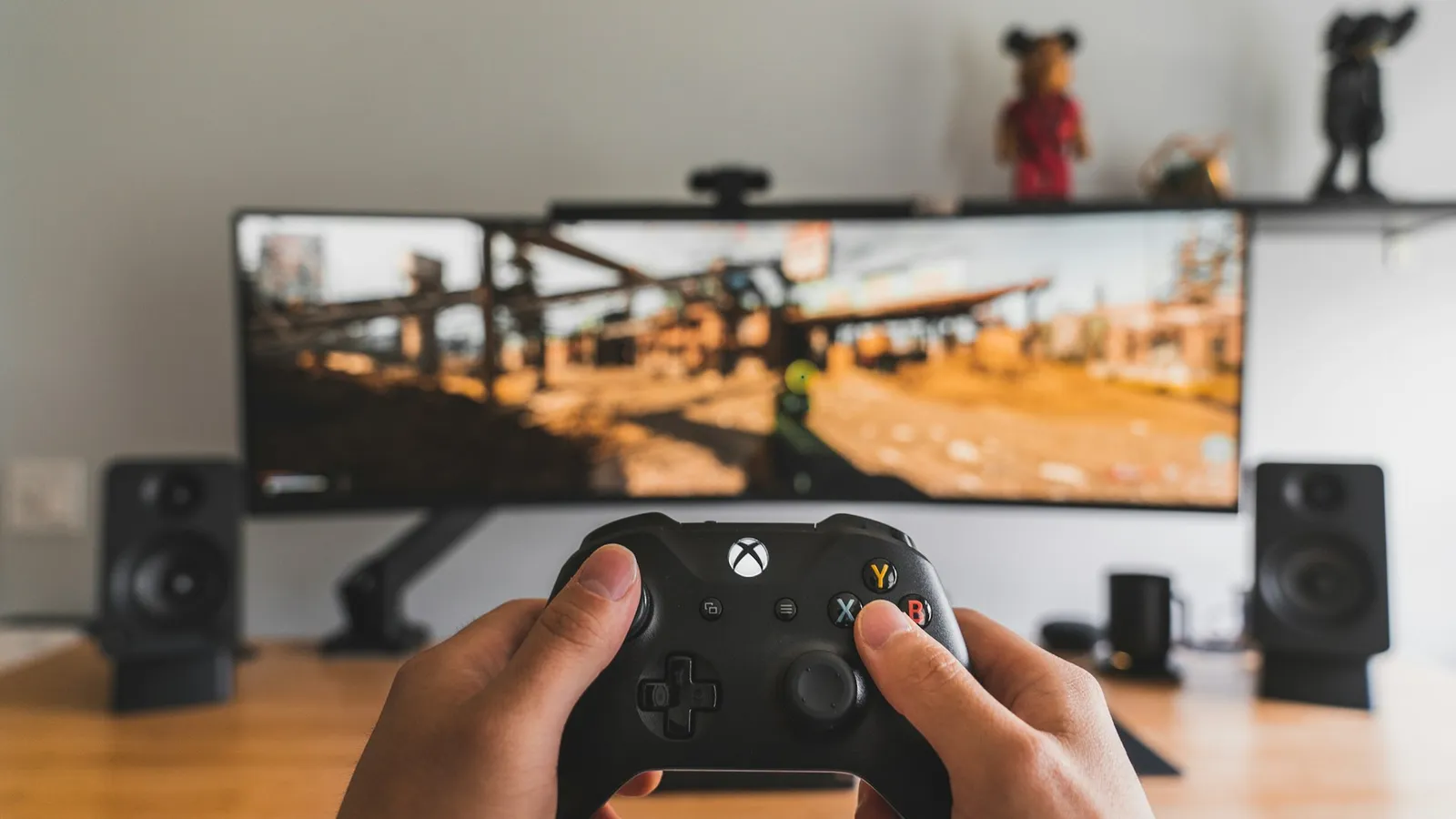
G-Sync vs FreeSync: What Actually Matters in 2026
Both standards now run the same VESA Adaptive-Sync tech and work across Nvidia and AMD GPUs. Here is the short answer, plus the VRR gotchas that still bite.
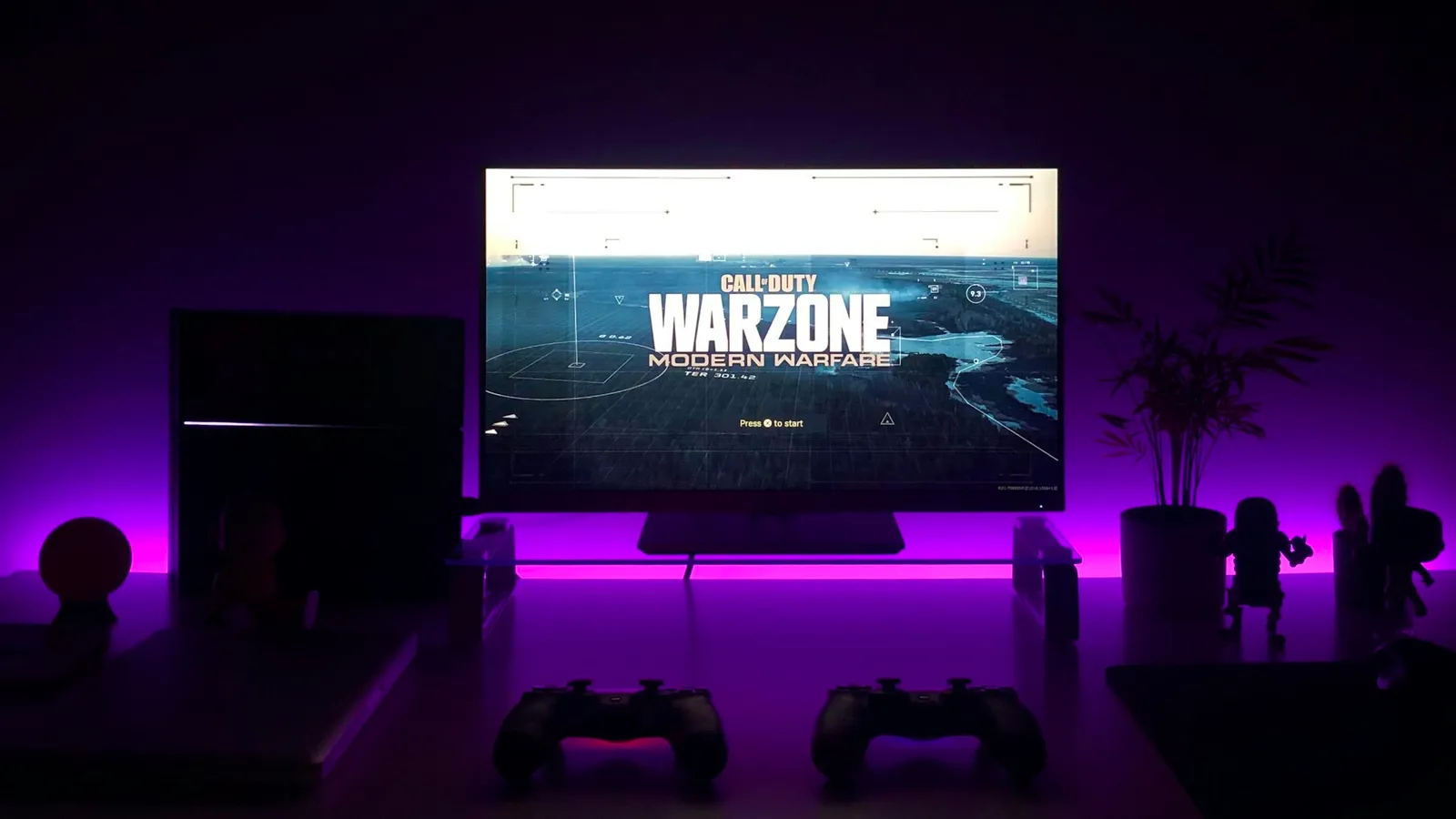
DisplayPort vs HDMI for Gaming: Which to Use
On a PC, DisplayPort is the safer default: it carries more data than the HDMI version on the same monitor, so it hits the higher refresh rate. But below 1440p/144Hz you will not see a difference, and consoles change the answer entirely.
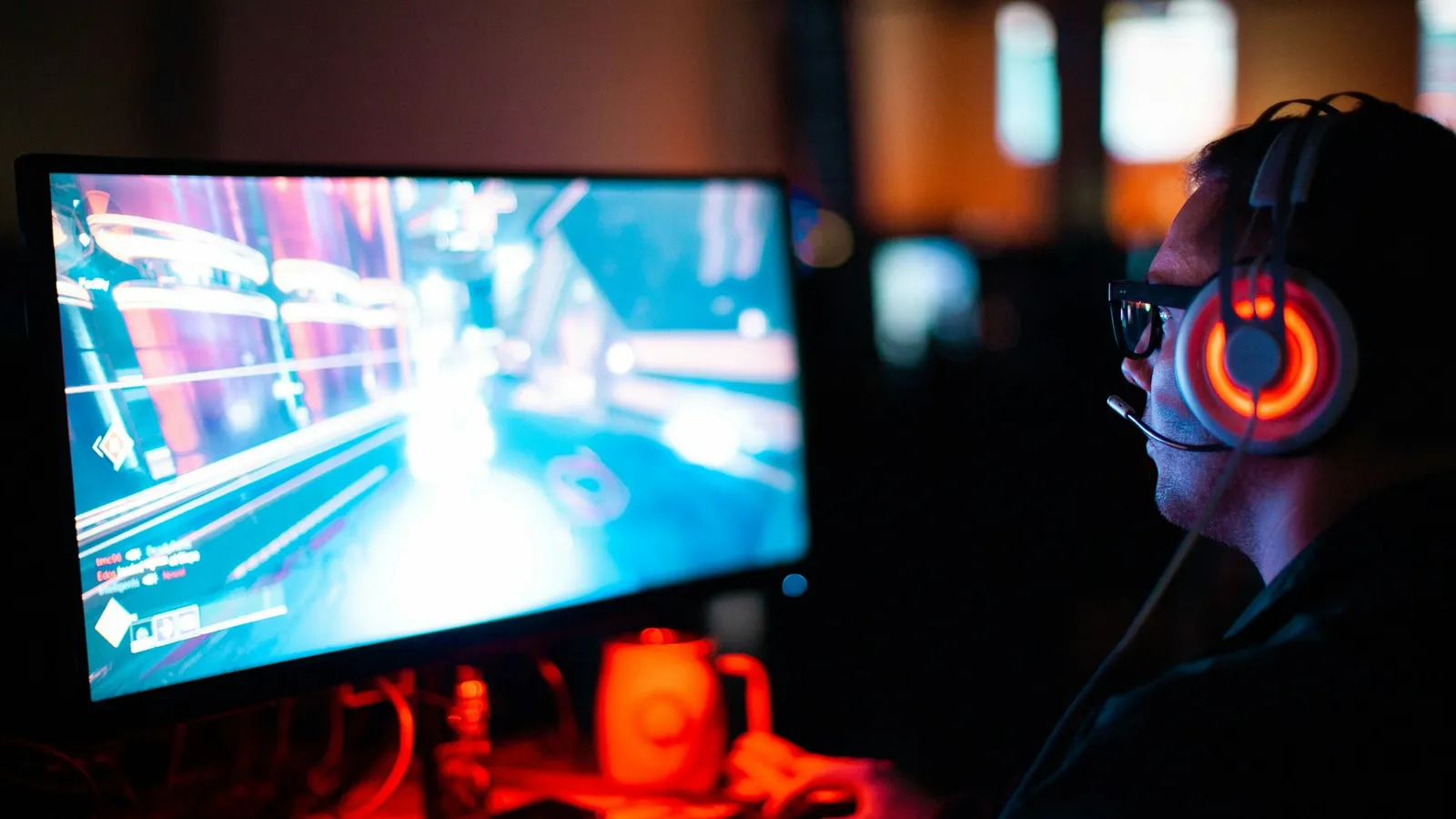
IPS vs OLED Gaming Monitor: What Actually Changes
OLED wins motion and contrast outright, but a bright-room desktop, static HUDs, and the price tag are where it stops being the obvious pick.
1440p 144Hz vs 4K 60Hz: Which Gaming Monitor Wins
At roughly the same price, a 1440p 144Hz panel and a 4K 60Hz panel pull in opposite directions. For gaming, high refresh wins for most people — here is the one case where 4K 60Hz is the smarter buy.
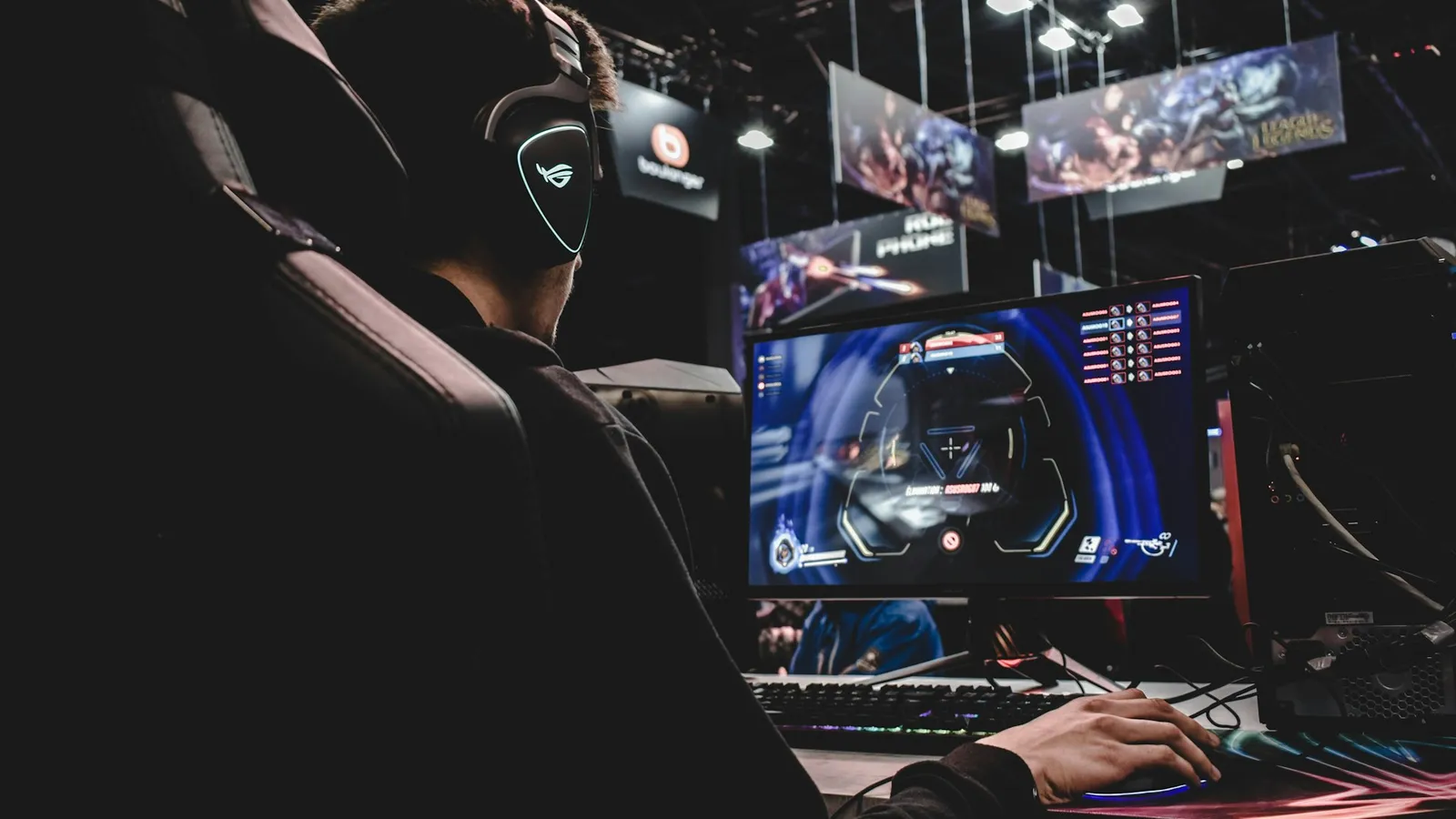
60Hz vs 144Hz: Is a High-Refresh Gaming Monitor Worth It?
The jump from 60Hz to 144Hz cuts frame time from 16.7ms to 6.9ms and roughly halves motion blur — the most noticeable monitor upgrade you can make. But it only helps if your GPU feeds the frames, and above 144Hz the gains shrink fast.
1440p vs 4K Gaming: Is 4K Worth the GPU Cost?
4K has 2.25 times the pixels of 1440p and costs the same GPU roughly 40% of its frame rate. A 1440p 165Hz gaming monitor is $319.99; a 4K panel that keeps that speed is $1,359.99. Here is who should pay for 4K and who is better off at 1440p.
1440p vs 1080p Gaming: Is It Worth the Frames You Give Up?
Moving to 1440p sharpens the picture but costs 25-35% of your frame rate on the same GPU. Here is which resolution to buy and the GPU tier that makes 1440p worth it.