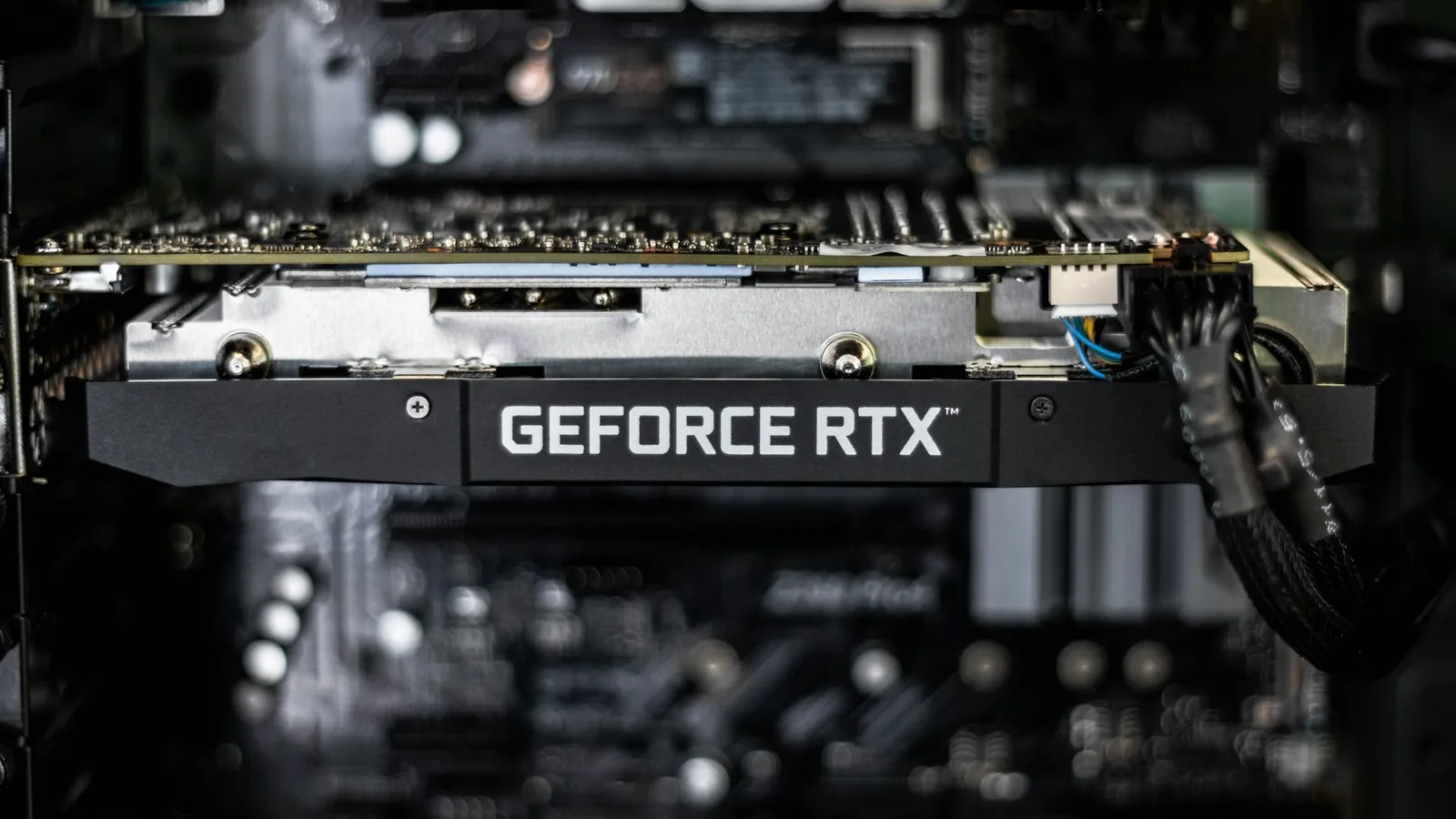

For a 1080p gaming build in 2026, the RTX 5060 8GB ($650.68) is the card to buy. It clears 60+ fps at native 1080p with high or ultra settings in nearly every modern release, and it does it without upscaling crutches. The tempting sub-$400 option in the catalog — the RTX 3050 6GB ($309.14) — is not a real modern-gaming GPU: independent testing puts it behind a six-year-old GTX 1660 Ti.
That is the uncomfortable part of "budget" in 2026. A card that actually holds a steady 60 fps at 1080p in current AAA titles starts around $650, not $300. Below that, you are buying an esports and light-duty card, not a gaming GPU. We picked from what is in stock today, at the catalog's current price, and ranked on frames per dollar at 1080p — not marketing tier, and not peak numbers you will never see at this resolution.
How we picked
The metric is frames per dollar at native 1920×1080, high-to-ultra settings, upscaling off for the baseline. That is the resolution these cards are actually built for, so a 4K result earns no points and ray-tracing halo numbers do not decide the ranking — at this class you turn RT down anyway.
We only considered cards that are in stock at the price the catalog charges right now. That rules the field down to three: the RTX 3050 6GB, the RTX 5060 8GB, and the RTX 5060 Ti 8GB. Everything above them in the catalog — the RX 9070, the RTX 5080 — is a 1440p or 4K card paying for performance a 1080p monitor cannot show.
RTX 5060 8GB — the one to buy
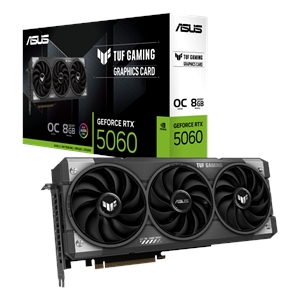
The RTX 5060 is the cheapest card here that plays modern games the way you expect a gaming GPU to. It uses the GB206 silicon cut to 30 of 36 SMs, lands roughly level with the previous-generation RTX 4060 Ti, and runs about 20–26% ahead of the RTX 4060 at 1080p (TechSpot). In practice that means 60+ fps at native 1080p ultra across most current releases, and far higher in esports titles — TechSpot measured it matching an RTX 3070 in Counter-Strike 2.
At $650.68 it is not cheap in absolute terms, but it is the price of entry for hassle-free 1080p. Board power sits around 145W (TechPowerUp), so a quality 550W supply covers it with room to spare.
Who it's for: anyone building or upgrading a 1080p rig who wants max settings and steady frame rates without thinking about it. Skip it if: you plan to game at 1440p in demanding titles — the 8GB buffer will be the first thing to run out.
RTX 5060 Ti 8GB — only if you might move to 1440p
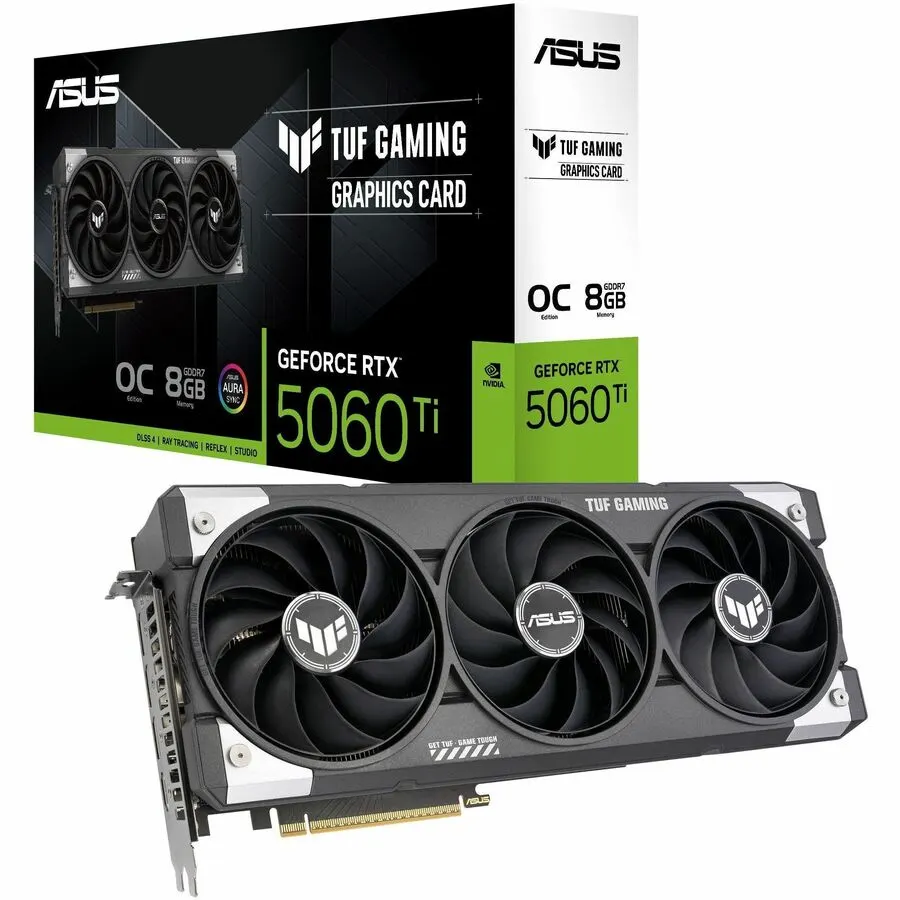
The 5060 Ti is the same GB206 chip with all 36 SMs enabled, so it is a step up in raw shading power. The catch is that at 1080p the two cards are close: TechPowerUp found the 8GB 5060 Ti matching its own 16GB sibling exactly at this resolution, because 1080p rarely fills the frame buffer. You are paying $118 more for a modest 1080p bump.
Where it earns the premium is the resolution above. If there is any chance you push to 1440p, the extra SMs help — but the 8GB version still gives up about 5% at 1440p and 26% at 4K to the 16GB model, so this specific card is a 1080p GPU with a little 1440p in it, not a 1440p card. TechSpot bluntly titled its review of the 8GB variant "Instantly Obsolete" for that reason. If you want the full head-to-head, we broke it down in RTX 5060 vs RTX 5060 Ti.
Who it's for: buyers who want a little future room and may step up to a 1440p monitor within the card's life. Skip it if: you are staying at 1080p — the RTX 5060 does the same job for $118 less, which is the better frames-per-dollar call here.
RTX 3050 6GB — the budget floor, with a real asterisk
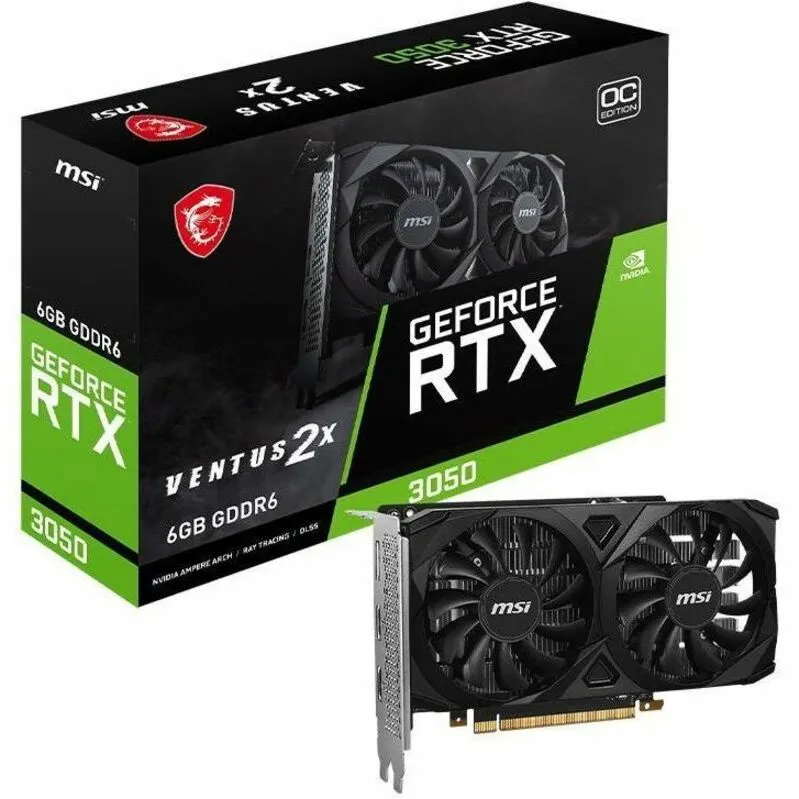
At $309.14 this is the only sub-$400 card in stock, and it is the reason "best budget GPU" needs an honest answer instead of a cheerful one. The 6GB RTX 3050 is not a smaller RTX 3050 — it is a different, cut-down part: fewer CUDA cores, a lower boost clock, a narrower 96-bit memory bus, and a 70W power limit that lets it run on slot power with no PCIe connector at all.
That efficiency is genuinely useful for one job: dropping a card into a prebuilt or office machine that has no spare power cable. But for gaming, the numbers are sobering. TechPowerUp clocks it as roughly 30% slower than the 8GB RTX 3050, and Tom's Hardware found it losing to the GTX 1660 Ti — a card from 2019. Spending $309 to land behind a six-year-old GPU is the trap this article exists to flag.
Who it's for: esports at medium settings, older or indie games, or a slot-powered upgrade for a machine with a weak or connector-less power supply. Skip it if: you want to play current AAA games at 1080p. This card cannot do it at the settings you would want, and the $650 RTX 5060 is a different league.
Why 8GB is enough at 1080p — and where it stops being enough
Both cards worth buying here carry 8GB, and that has become a lightning-rod number. At native 1080p it is still fine in 2026: the frame buffer rarely fills at this resolution, which is exactly why the 8GB and 16GB 5060 Ti tie at 1080p in TechPowerUp's testing.
The problem starts when you raise resolution or crank texture and ray-tracing settings. That is where 8GB turns from "enough" into "the bottleneck," and it is the single biggest reason none of these are 1440p recommendations. If you are weighing how much memory your next card needs, we go deeper in How Much VRAM Do You Need for Gaming, and if 1440p is the real goal, Best GPU for 1440p Gaming in 2026 covers the cards built for it.