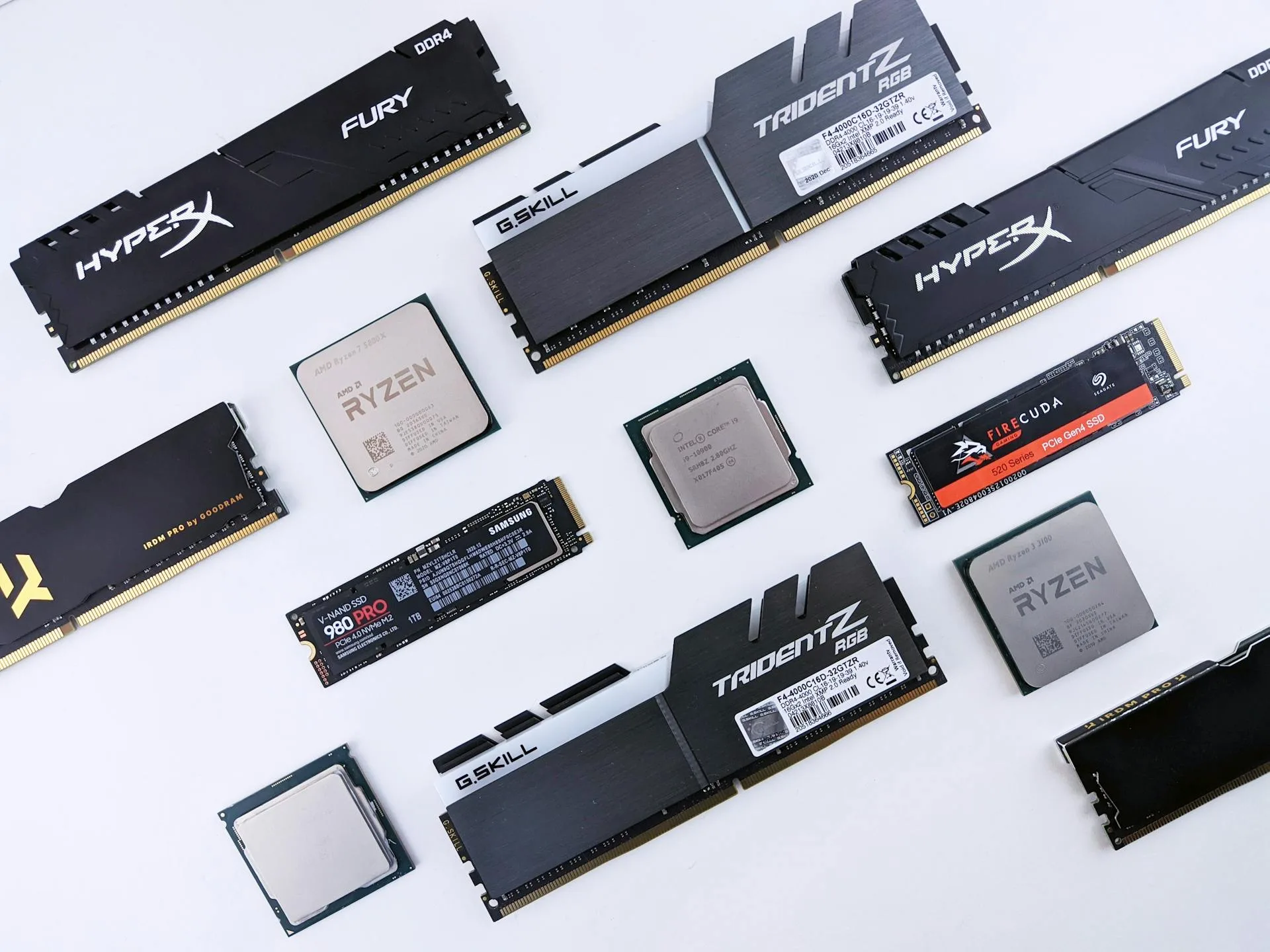

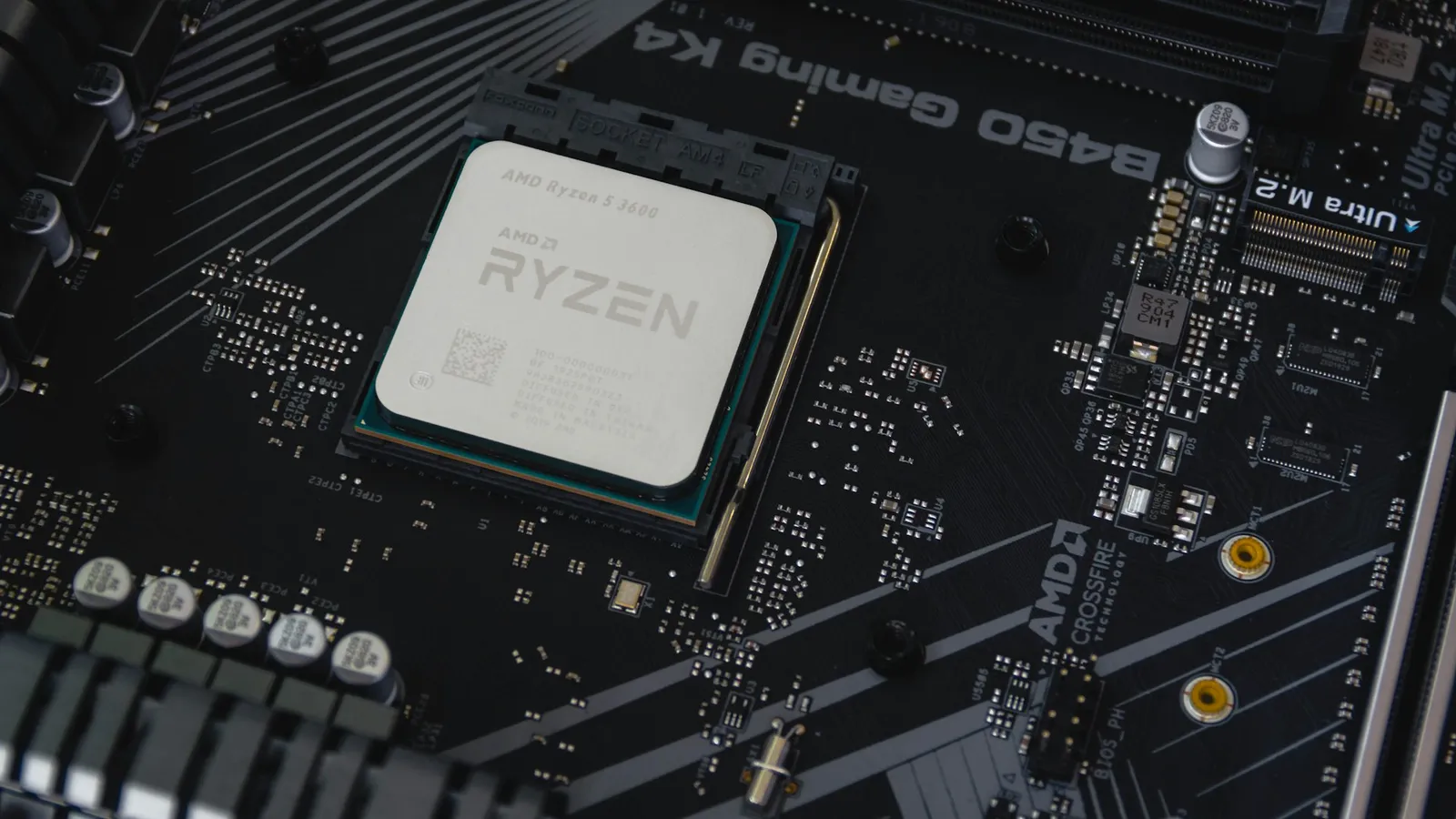
The best CPU for 1080p gaming in 2026 is the AMD Ryzen 7 7800X3D ($439.77) — this is the resolution where its stacked 3D V-Cache turns into real frames, and Digital Trends still calls it "the performance king when you're chasing frames." But if you game on a 1080p 60Hz or 75Hz monitor, stop reading the benchmark charts and buy the $208 Ryzen 5 7600X instead — your screen will cap most of the frames the X3D chip would have added.
That split is the whole point. 1080p is the one resolution where the processor, not the graphics card, usually sets your frame rate, so the CPU you pick actually changes the number on screen. Whether that change is worth paying for depends entirely on how fast your monitor refreshes and how CPU-heavy the games you play really are.
How we picked
We ranked on in-game frame rates and 1% lows, not core count, Cinebench scores, or PCIe lane counts — none of which change how a game plays. Reviewers test CPUs at 1080p on purpose: the low resolution lifts the GPU ceiling and exposes the processor's real limit, which is exactly why these 1080p numbers look bigger than the gaps you would see at 1440p. TechSpot makes the same argument — 1080p reveals the CPU gap that higher resolutions hide.
Every chip below is in stock in our catalog at the price listed. We do not recommend parts you cannot buy today, and at 1080p — where the CPU is doing the heavy lifting — that matters more than in any other build.
AMD Ryzen 7 7800X3D — best overall for 1080p gaming
The 7800X3D is eight cores and 16 threads with 96 MB of L3 cache, most of it stacked 3D V-Cache sitting directly under the compute die. Game engines stall waiting on data far more than they stall on raw clock speed, and that oversized cache keeps them fed. At 1080p, where nothing upstream is holding the CPU back, that advantage shows up as frames.
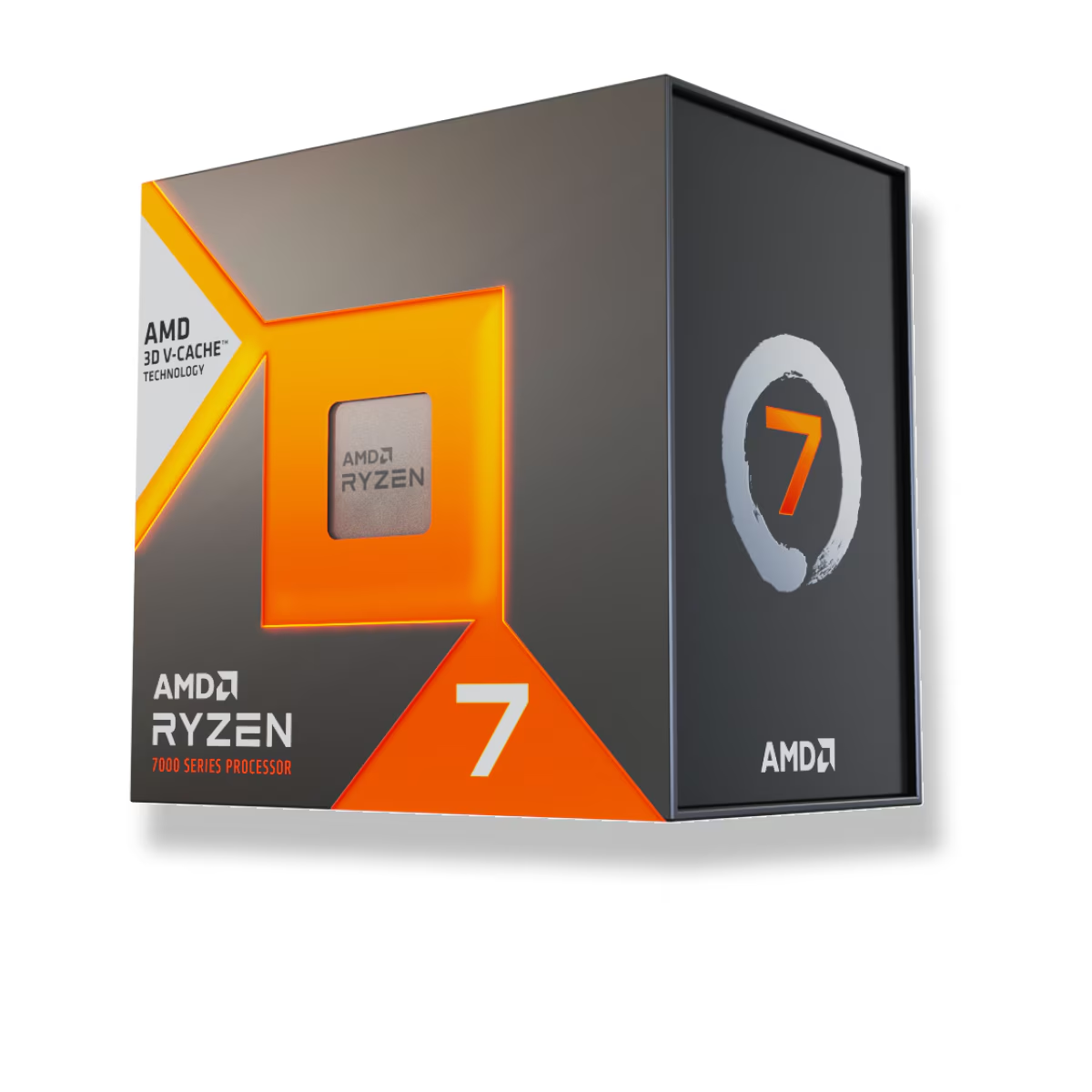
Tech4Gamers' 10-game run at 1080p on an RTX 4090 puts it about 13% ahead of the Core i5-14600K on average — 286.7 FPS versus 253.6. The gap widens where games lean on the CPU: roughly 19% in Cyberpunk 2077 (186 vs 156 FPS) and about 24% in Fortnite (584 vs 473 FPS). It also runs cooler and pulls less power than Intel's K-series chips while doing it.
Best for: 1080p players on 144Hz, 240Hz, or faster monitors, and anyone who plays cache-hungry simulation and strategy games — flight sims, city-builders, Factorio — that tax the CPU at any resolution. Skip it if: you also render, compile, or stream heavily. Eight cores leave performance on the table in those jobs, and the chip's gaming lead shrinks the moment you move past 1080p.
AMD Ryzen 5 7600X — best value for 1080p
Six cores, 12 threads, and at $208.34 it is the most frames-per-dollar you can buy for a 1080p gaming PC. The honest truth most roundups bury: the gap to the flagship is smaller than the price gap suggests. TechPowerUp measures the Ryzen 5 9600X at about 8.5% behind the 7800X3D at 1080p, and the 7600X trails the 9600X by only a few percent more. You are giving up a single-digit frame-rate slice to save more than $230.
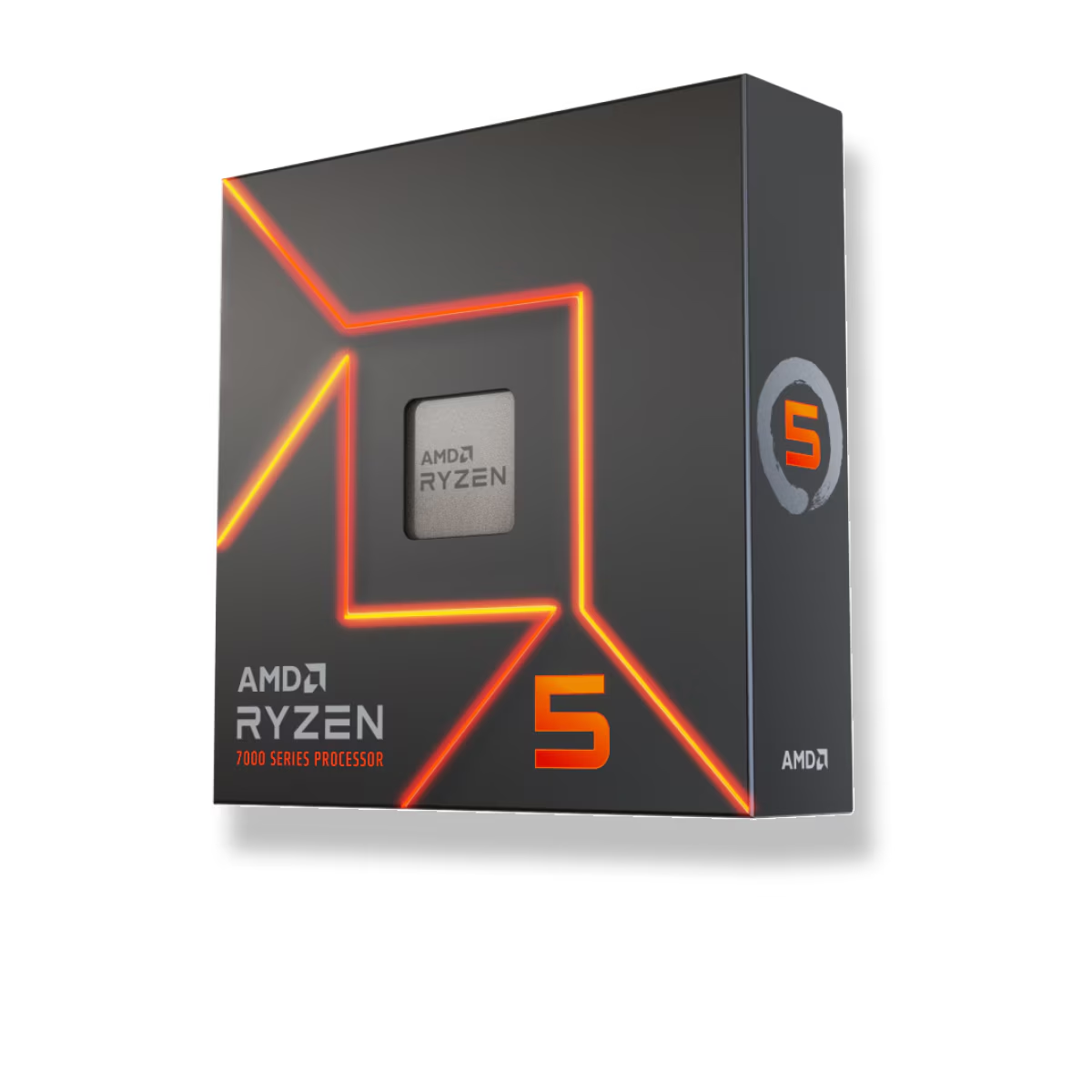
On a 1080p 60Hz or 75Hz display, that slice is invisible — your monitor caps the frames before the CPU does. Put the $230 you saved into a faster graphics card, which moves 1080p frame rates far more than a pricier processor does.
Best for: 60–144Hz 1080p builds, and anyone who would rather spend the difference on the GPU. Skip it if: you chase 240Hz-plus in competitive shooters, where the X3D's 1% lows pull clearly ahead.
AMD Ryzen 5 9600X — the newer-platform value pick
The Ryzen 5 9600X ($225.40) is the Zen 5 version of the same idea: six cores, strong 1080p gaming, low power. TechPowerUp measured it about 3.4% ahead of the 7600X at 1080p and named it "the best sub-$300 gaming CPU." It is a small gaming step over the 7600X, so buy it for the newer platform and lower power draw rather than for a frame-rate jump you will struggle to feel.
Best for: new AM5 builds that want the current Zen 5 generation and a 65W TDP. Skip it if: the 7600X is cheaper on the day you buy — the gaming difference is within a few frames.
AMD Ryzen 7 7700X — eight cores without the cache premium
The Ryzen 7 7700X ($286.30) gives you eight Zen 4 cores for games that are starting to use more than six threads, without paying for 3D V-Cache. It splits the difference: faster than the Ryzen 5 chips in CPU-heavy and multitasking scenarios, but behind the 7800X3D in the cache-sensitive games where the X3D gap is largest.
Best for: players who also stream or keep a browser and Discord loaded while gaming and want headroom past six cores. Skip it if: pure gaming frame rate is the only goal — the 7600X costs less and the 7800X3D is faster, leaving the 7700X caught in the middle.
Intel Core i5-14600K — the best Intel option for 1080p
If you are building on Intel's LGA 1700 platform, the Core i5-14600K ($369.98) is the gaming pick: 14 cores (6 performance, 8 efficiency) with strong 1080p frame rates. It is the chip the 7800X3D beats by ~13% on average in the Tech4Gamers suite, so it is fast — it just loses to AMD's cache in games while costing more to run.
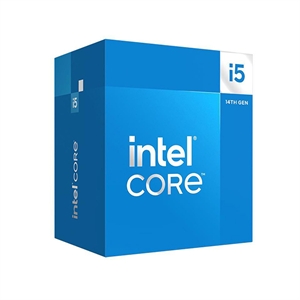
Best for: Intel builders who want a capable all-rounder and already have a compatible Z790 or B760 board. Skip it if: you are starting fresh and gaming is the priority — a 7600X costs less and a 7800X3D is faster in games, both on the AM5 platform.
When a cheaper CPU is the smart buy
The 7800X3D's 1080p lead is real, but it is also the most situational advantage in this list — and pretending otherwise would waste your money.
It evaporates with resolution. Move to 1440p and the GPU takes over as the bottleneck; by 4K the CPU spread is mostly noise. If you game above 1080p, buy down to a 7600X and read our picks for 1440p and 4K gaming instead.
It does not come from more cores, either. The 16-core Ryzen 9 9950X loses to the eight-core 7800X3D in most games because the second core die adds memory latency — Digital Trends found the 7800X3D "still clobbers the Ryzen 9 9950X in games" despite half the cores. A 16-core chip earns its price in rendering and compiling, not in frames. We put the full gaming split in our 7800X3D vs 9950X comparison.
Whichever AM5 chip you choose, pair it with DDR5-6000 CL30 — the sweet spot for Ryzen, as our DDR5-6000 vs DDR5-8000 breakdown lays out. You can check CPU, board, and memory compatibility together in our PC Builder before you commit.