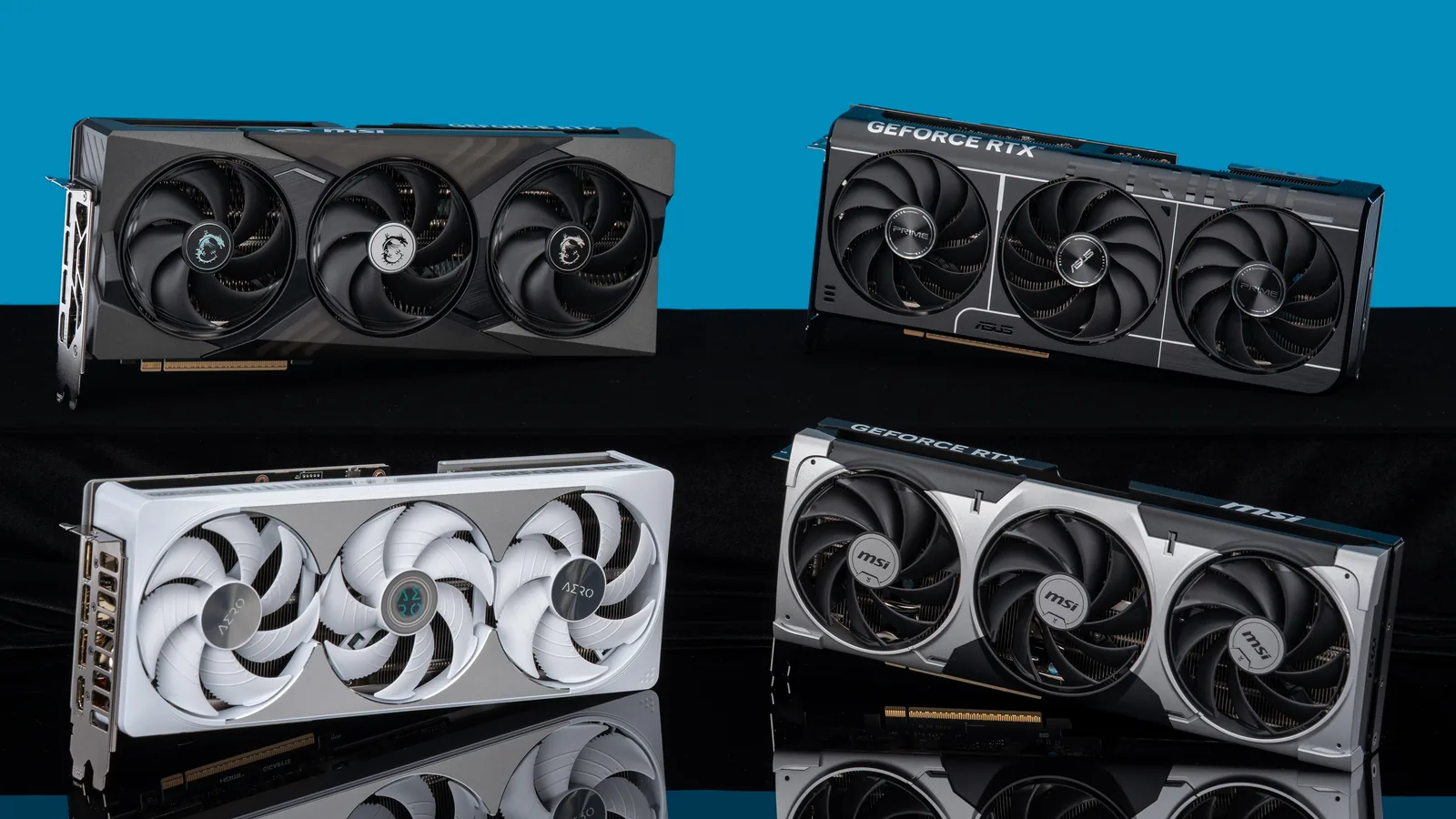

Yes, and this is the price increase that actually touches a gaming build. Where the October CPU hikes mostly missed desktop gaming chips, GPU prices climbed through 2026 on the exact cards people put in carts. From November 2025 to February 2026, graphics-card prices rose across ten countries, and in the US the sharpest jumps hit the high end — the RTX 5090 up 40%, the RTX 5080 up 43%, and the RTX 5070 Ti up 37%, with budget and mid-range cards up roughly 9–14%, per Wccftech's reading of TechSpot's market tracking. The cause is the part most buyers get wrong: it's memory, not a rush on the GPUs themselves.
If you assumed this was crypto or scalpers again, it isn't. The pressure comes from the same AI-era DRAM shortage squeezing RAM and SSDs, and it flows straight into the GDDR6 and GDDR7 that every graphics card carries. That changes what "wait for a deal" means in 2026 — so here's what moved, and what to do about it.
What changed, and why
The increases are uneven, and the pattern is the tell. NVIDIA's high-end GeForce cards took the biggest hits in percentage terms, while AMD's RDNA 4 Radeon line mostly stayed under 15% over that window — the RX 9070 rose just 7%, per the same tracking. The common cause named across these reports is a DRAM shortage driven by AI demand, which pulls supply away from the GDDR memory used on consumer graphics cards.
You can see the mechanism in the numbers. Wccftech reports that GDDR module costs rose by roughly $19–20 each, which works out to about $75 of added memory cost on an 8GB card before any markup, and cites a reported NVIDIA partner notice setting increases of about $90, $130, and $175 for 8GB, 12GB, and 16GB cards respectively. On the AMD side, Wccftech reports an official Q3 2026 Radeon RX 9000 increase of 5–20%, with the RX 9070 XT reference price moving up about 20%. Separately, PC Gamer reported that NVIDIA is raising the cost of its GPU kits sold to board partners — a cost that lands on retail prices next. Note that several of these are board-channel reports rather than official statements from NVIDIA or AMD, so treat the exact percentages as directional.
What the cards cost here right now
Here's the honest local picture, with live catalog prices as of October 2026. The RTX 5070 is $1,059.68 and the 16GB RTX 5060 Ti is $1,025.78 — both well above where this tier launched. These are shortage prices, not a markup you'll out-wait.
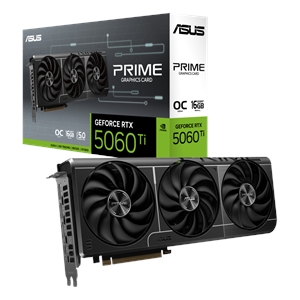
Two things worth flagging before you buy. First, the AMD Radeon RX 9070 and 9070 XT are out of stock in our catalog right now, so the practical choice here is narrower than usual — worth knowing before you set your heart on a specific card. Second, the 8GB cards are where the math turns ugly: the RTX 5060 8GB sits at $639.81, which is a lot to pay for a card whose 8GB frame buffer is already a limiter in current titles. If you're spending near that, the extra VRAM matters more than the badge — see how much VRAM you actually need for gaming.
What it means if you're buying now
Buy for the resolution you play, and don't wait for a dip that the forecasts don't support. With DRAM projected to keep climbing into 2027, the "prices will crash soon" plan is the one most likely to cost you more. If you need a 1440p card, pick it on merit — best GPU for 1440p gaming — and take today's price rather than betting against the memory market.
The honest flip side: this is a genuinely bad time to buy more GPU than you need. The high end rose most in percentage terms, so a 5080 or 5090 carries the steepest shortage premium of all. For most people the value sits in the mid-range, and the single worst buy is an 8GB card at near-mid-range money. If your GPU still holds 60 FPS where you play, there's no performance news here forcing an upgrade — only a price trend telling you it won't get cheaper. When you do build, price the whole thing with compatibility checked in our PC Builder so the card fits the case and the power budget before you commit.