
Yes, but not where it hurts a gaming build. A wave of reported processor price increases moved through the market in October 2026, and on October 12 TrendForce reported that Intel raised prices up to 15–20% on high-end next-generation chips and 5–10% on recent ones, Qualcomm lifted PC-platform prices about 10%, and AMD is "reportedly preparing" adjustments it has not confirmed. The common driver is rising foundry cost at TSMC. The catch for anyone building now: the biggest increases land on unreleased and laptop silicon, not the desktop gaming processors you'd actually put in a cart today.
Two weeks ago I wrote that CPUs were the stable part of a 2026 build while RAM and storage spiked. That's still broadly true — but the October reports are the first real crack in it, so here's exactly which chips moved and which didn't.
What actually went up
The reported increases are uneven, and the detail matters more than the headline. According to TrendForce, Intel's largest adjustments — 15–20% — hit high-end Panther Lake, a next-generation line whose compute tiles are built on TSMC's leading-edge N3E node. Older Meteor Lake and Arrow Lake parts reportedly rose a smaller 5–10%. These are described as reported price changes, not officially announced ones.
Qualcomm's roughly 10% increase applies to its PC platforms — Snapdragon X and X2 Elite — which ship in laptops, not desktop sockets. AMD's part is the softest of all: TrendForce says only that the company is "reportedly preparing" adjustments, with no confirmed figure, scope, or date. Treat that as a signal to watch, not a fact.
The thread tying it together is manufacturing cost. Analysts cited by TrendForce expect TSMC to raise foundry prices in 2027, weighted toward the advanced nodes and packaging that premium chips use. That's why the sharpest hikes attach to the newest, most cutting-edge silicon — and why they mostly skip mature, already-shipping desktop parts for now.
Which chips the hikes miss
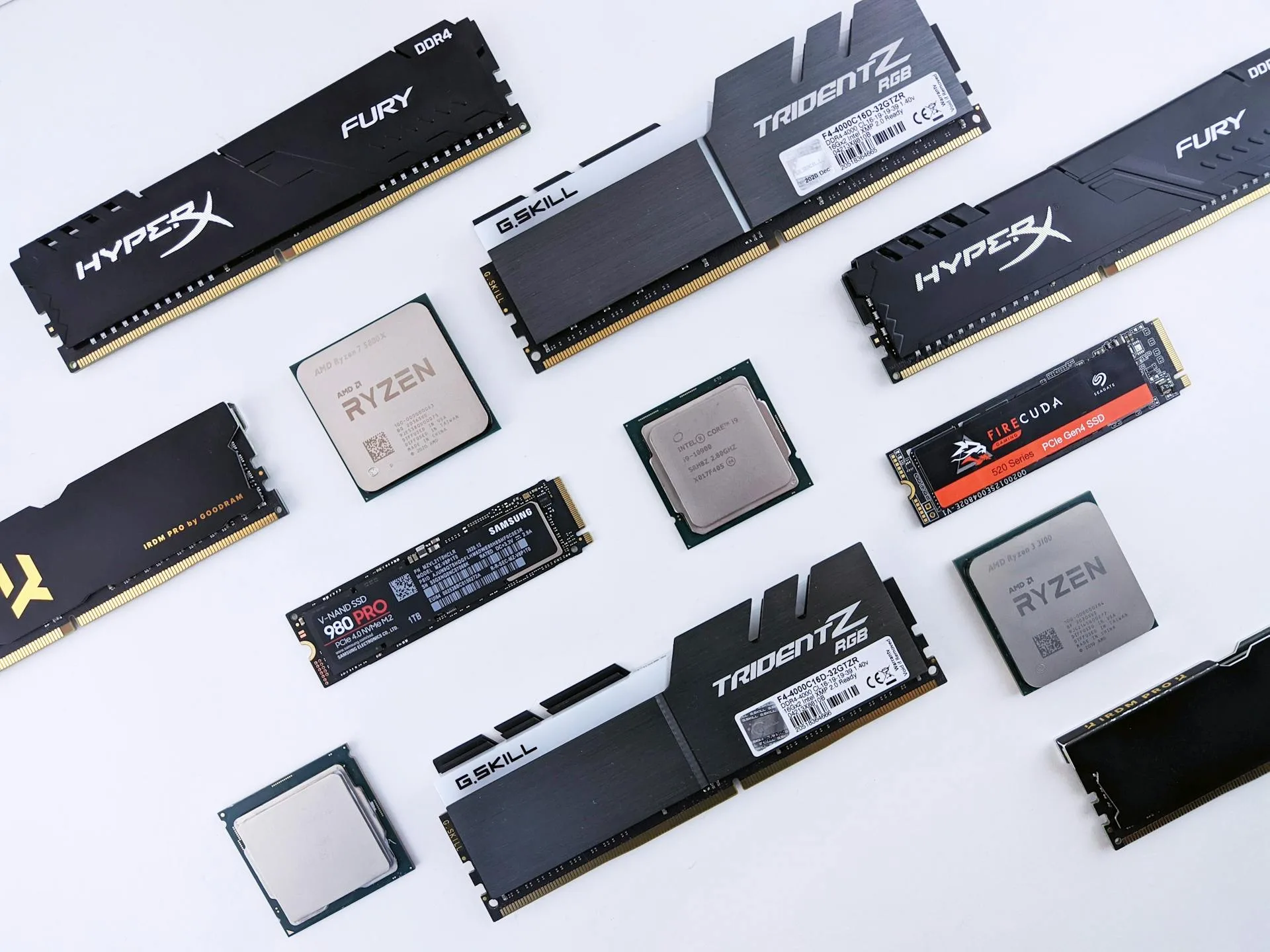
Here's the practical read for a desktop build. The processors in our catalog that a gamer or everyday builder actually chooses are not in any confirmed increase. The AMD Ryzen 7 7800X3D sits at $415.41, the Ryzen 5 7600X at $208.34, and the Intel Core i7-14700K at $456.82 — none of them next-gen, none of them laptop chips, none named in the October reports.
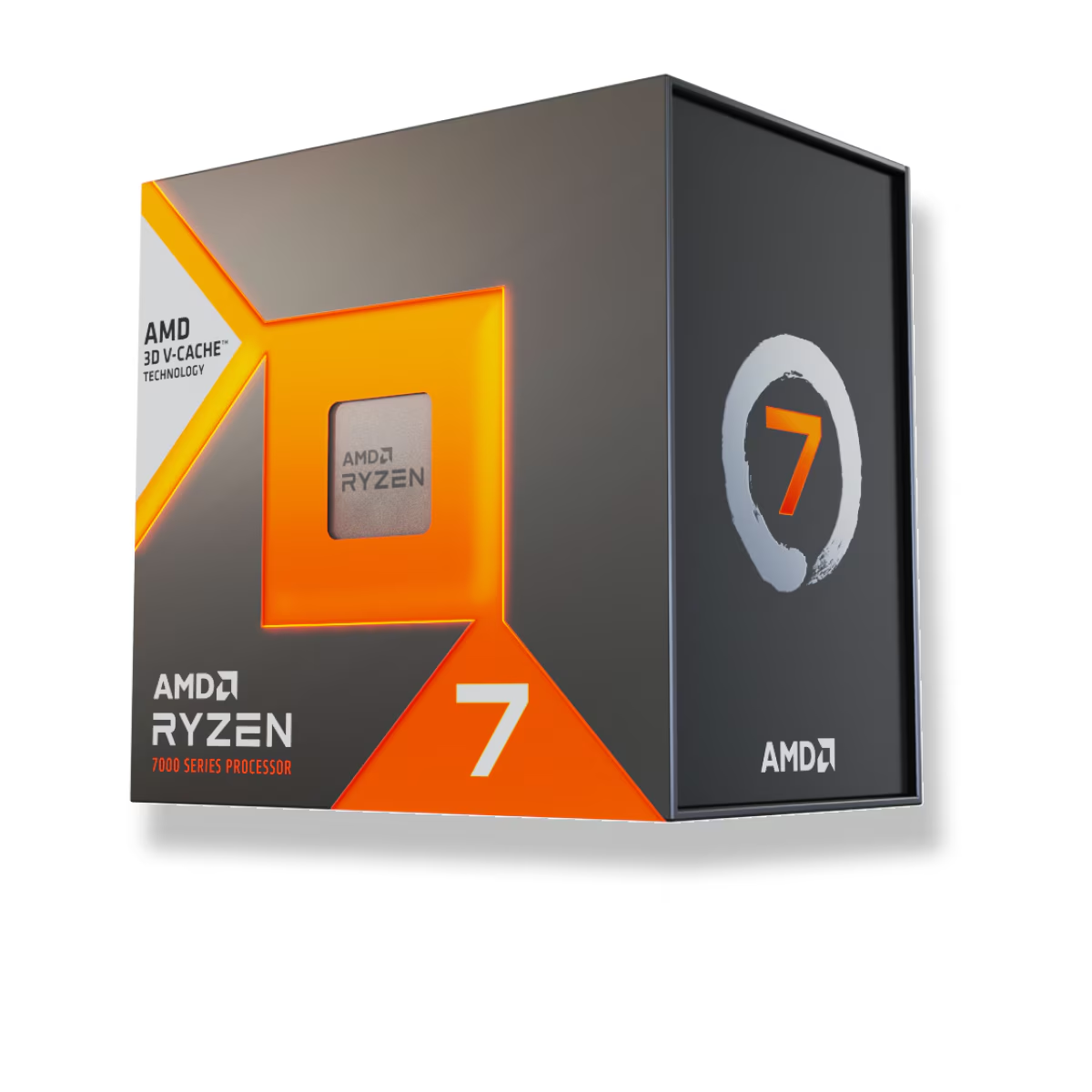
The one desktop exception is Arrow Lake. Intel's Core Ultra 200-series is the desktop line TrendForce places in the 5–10% band, so the Core Ultra 7 265 at $463.46 is the tier most exposed to a near-term bump. For gaming specifically, the X3D parts still win regardless — see Ryzen 7 7800X3D vs Core i7-14700K — so this is less a reason to rush and more a reason not to overthink the platform choice.
GPUs and memory are the real squeeze
If you want to know where prices genuinely moved in 2026, it isn't the CPU. PC Guide, using 3DCenter's German-market data, reports GPU prices up an average of 66% for Nvidia and 46% for AMD from November 2025 to October 2026, with the RTX 5090 up 132%. On top of that, AMD raised the price of the GDDR6 memory it supplies to board partners effective October 1, which points to further graphics-card increases ahead.
System memory and storage are the other pressure point, driven by the AI-datacenter supply crunch I covered in how much RAM to buy right now. That's where a delayed purchase actually costs you — not the processor.
What it means if you're buying now
Buy the RAM and SSD capacity you need this quarter, and don't panic-buy the CPU. The reported October hikes miss the desktop gaming chip you'd pick, and there's no run on current-gen Ryzen or 14th-gen Core to justify paying a markup over this news. If a build is on your calendar, slot in an in-stock current-gen CPU now and spend the worry on memory and the GPU instead.
The honest flip side: there's no cheaper CPU window coming to wait for. Foundry costs trend up into 2027, and the parts that will rise first are exactly the next-generation and laptop chips some buyers are holding out for. If you've been waiting on Panther Lake laptops or a future desktop refresh, that patience is likely to cost more, not less. For a current build, pick the platform in our PC Builder with compatibility checked, and take today's price.