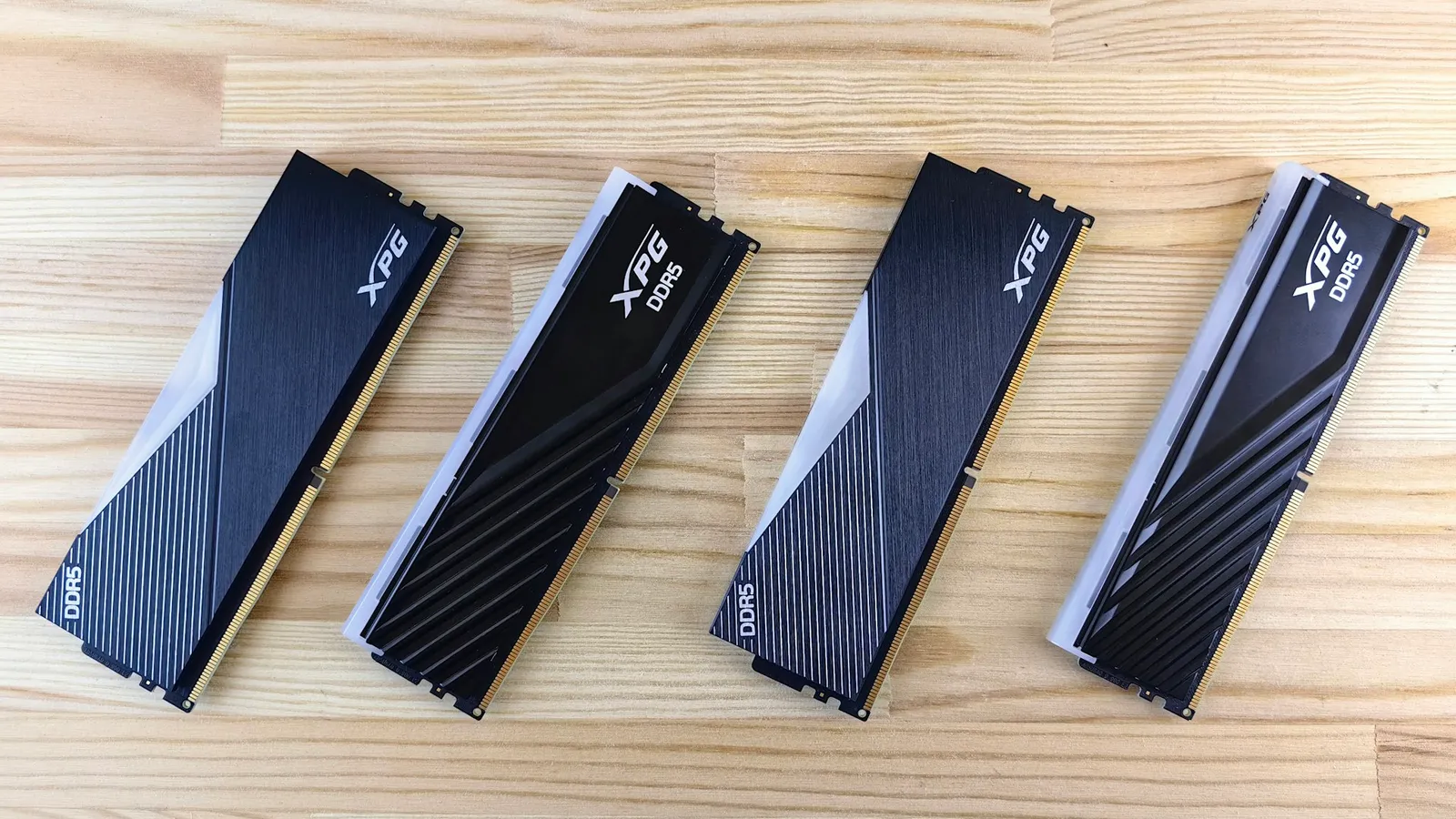
If you are building or upgrading a gaming PC in September 2026, buy the RAM you need this quarter and stop waiting for a price drop. An AI-driven memory shortage pushed DDR5 sharply higher through 2026, and TrendForce projects conventional DRAM contract prices to rise another 13–18% quarter-over-quarter in Q3 2026 — more increases, not relief. The right move is to buy 32GB at DDR5-6000 CL30 now, and skip the capacity and speed you will not use.
The reason the question changed is the price. A year ago RAM was the cheap part of a build; today it is one of the fastest-rising line items in the whole parts list, and even older DDR4 has been dragged up with it.
What changed in the memory market
The trigger is AI infrastructure. Through 2026, memory makers reallocated production toward high-bandwidth memory (HBM) and server DRAM, which sell to datacenter buyers at far higher margins than consumer DDR5. TrendForce reported that a rapid contract-price surge drove DRAM industry revenue up 81% quarter-over-quarter in Q1 2026, and that the same capacity reallocation is reducing the supply available for PC DRAM.
That flows straight to retail. Tom's Hardware's RAM price tracking put 32GB DDR4 kits at roughly $60–90 in October 2025, then $150–180 by January 2026, with the cheapest 32GB DDR5 kits sitting around $375 as prices kept climbing.
The one piece of good news is that the rate of increase is slowing. TrendForce notes that PC and smartphone buyers are "reaching their affordability limit," which is why Q3's projected 13–18% rise is milder than the near-doubling seen earlier in the year. Slowing is not falling, though — the price floor is still moving up.
What it means if you're buying a PC now
Waiting is the trap. When a component is falling in price, delaying a purchase saves money; RAM in 2026 is doing the opposite, and industry forecasts point to continued increases well into 2027 before new capacity comes online. If a build or upgrade is on your calendar for the next few months, the cheapest version of that purchase is almost certainly today's, not next quarter's.
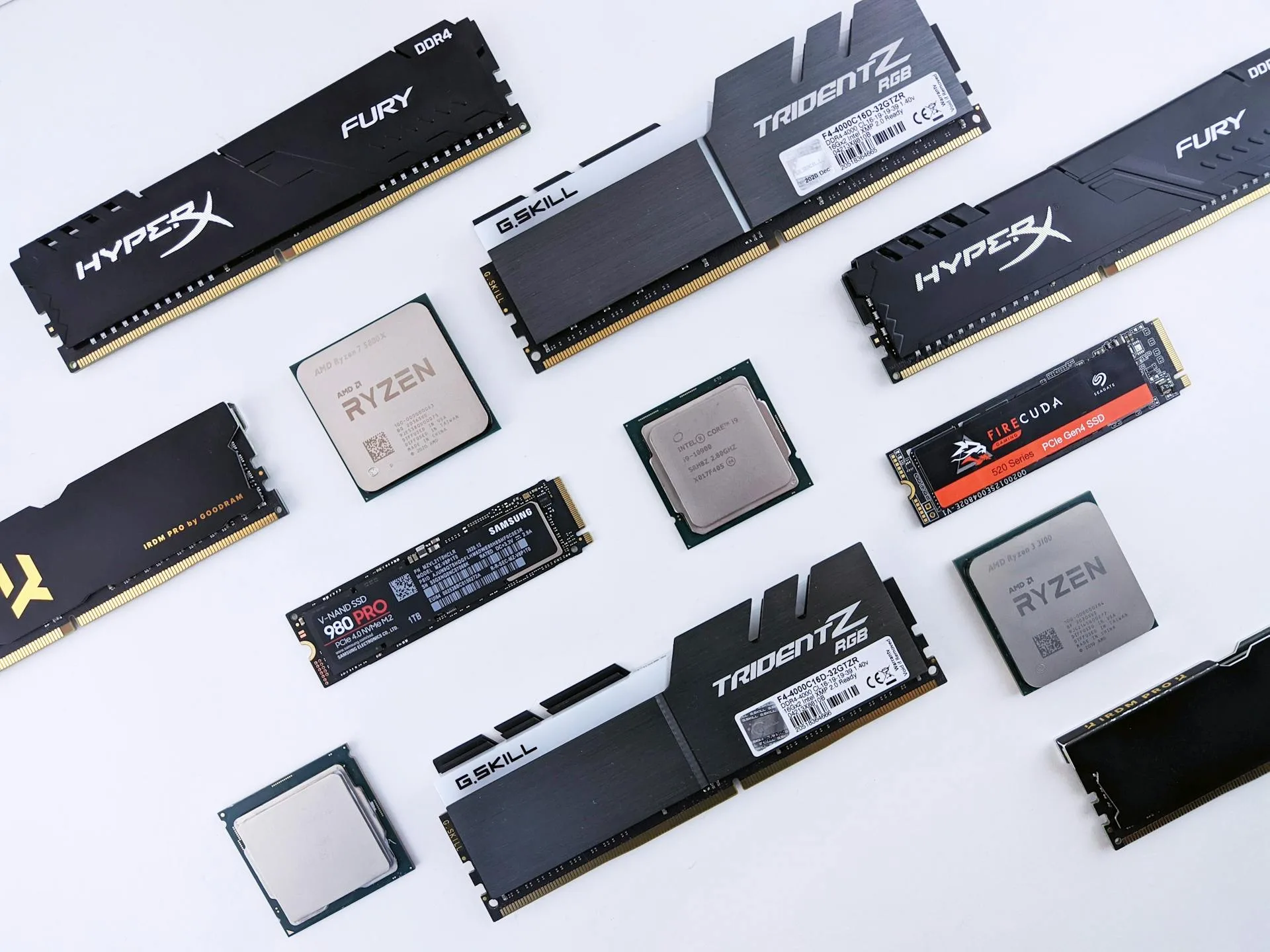
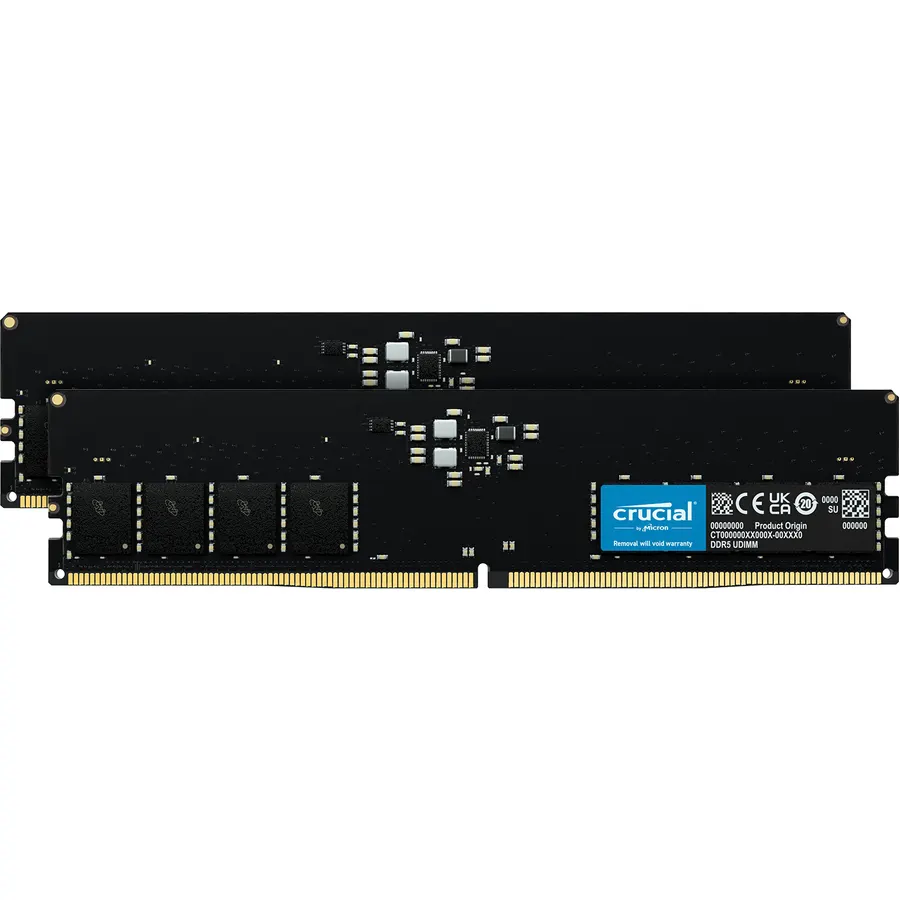
That does not mean buy more. The shortage makes over-buying more expensive than ever, so match the kit to what the machine actually does. Our in-stock DDR5 option right now is a 64GB (2 × 32GB) Micron kit at $725.07 — genuinely useful if you also run heavy multitasking, virtual machines, or content work, but more capacity than a pure gaming rig will touch.
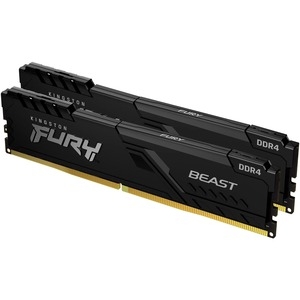
For an older AM4 or Intel DDR4 machine, the "cheap DDR4 top-up" era is over too. A Kingston FURY Beast 16GB (2 × 8GB) DDR4-3200 kit runs $263.99 here — still a valid upgrade for a system you are not ready to replatform, but no longer the throwaway purchase it was in 2025.
How much RAM to buy at these prices
For gaming, the answer has not changed even though the price has: 32GB is the comfortable target and 16GB is the working floor. Our own testing-backed breakdown in 16GB vs 32GB RAM for gaming still holds — 32GB buys headroom for background apps and future titles, not more frames in most games. Jumping to 64GB for a gaming-only build is money spent on capacity that sits idle, and that mistake costs more in 2026 than it did last year.
Speed is where people overspend during a panic. DDR5-6000 CL30 remains the sweet spot for AMD AM5 and a fine choice for Intel; the gains from DDR5-8000 are small and CPU-dependent, and paying a shortage premium for them is doubly wasteful. Buy the capacity you need at a sensible speed, and put the savings toward the GPU, where it actually moves your frame rate.
The honest caveat: if your current PC already has enough RAM, this is not a reason to upgrade. A shortage is a bad time to buy memory you do not need yet — the only thing worse than paying 2026 prices is paying them for capacity that changes nothing.