
No. In 2026, DDR4 is not the budget choice — it is close to DDR5 prices per gigabyte, sometimes higher, and if you are building a new PC there is no current CPU platform that even takes it. The only honest reason to buy DDR4 today is that you already own a working AM4 or older Intel machine and need a minimal top-up to keep it running. For a fresh build, you are on DDR5 whether you wanted to be or not.
This is backwards from how it worked for years. DDR4 was the standard you reached for when the budget was tight: slower, yes, but a 16GB kit cost less than a decent cooler. The AI-driven memory shortage flattened that gap, and the reason DDR4 didn't escape it is the same reason it's now a dead end — manufacturers are winding DDR4 down, not expanding it.
What DDR4 actually costs in 2026
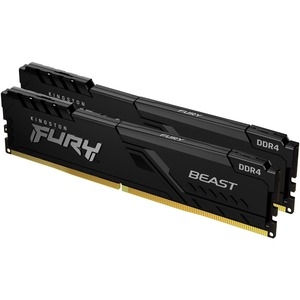
Start with a real, buyable number instead of a nostalgic one. The one DDR4 kit in stock here right now is a Kingston FURY Beast 16GB (2 × 8GB) DDR4-3200 kit at $263.99. That works out to about $16.50 per gigabyte for 3200 MT/s memory — the slow, mature standard that used to be the throwaway upgrade.
Now put a DDR5 figure next to it. Framework, which sells memory directly and publishes its module costs with dates, logged DDR5 at roughly $10 per gigabyte in December 2025, rising to $13–18 per gigabyte by March 2026. In other words, DDR4 at $16.50/GB is sitting inside the DDR5 range — and above where DDR5 was a year ago. The thing that made DDR4 worth the compromise, its price, is gone.
The cause is not a DDR4-specific glitch. Memory makers shifted wafer capacity toward high-bandwidth memory and server DRAM for AI datacenters, which sell at far higher margins, and consumer memory got squeezed across the board. Tom's Hardware tracked memory prices climbing about 500% over 12 months, with 128GB of DDR5 hitting $3,399. DDR4 got pulled up by the same tide, and because it's an end-of-life product with shrinking supply, there's no new DDR4 production coming to push it back down.
There is no cheap DDR4 platform for a new build
Even if you found DDR4 for less, you'd hit a wall at the motherboard. A stick of memory is only useful if a current CPU and board accept it, and in 2026 most don't.
| Platform | CPUs | Memory it accepts |
|---|---|---|
| AMD AM5 | Ryzen 7000 / 9000 | DDR5 only |
| Intel LGA1851 | Core Ultra 200S | DDR5 only |
| Intel LGA1700 | Core 12th–14th Gen | DDR4 or DDR5 (board decides) |
| AMD AM4 | Ryzen 5000 and older | DDR4 only |
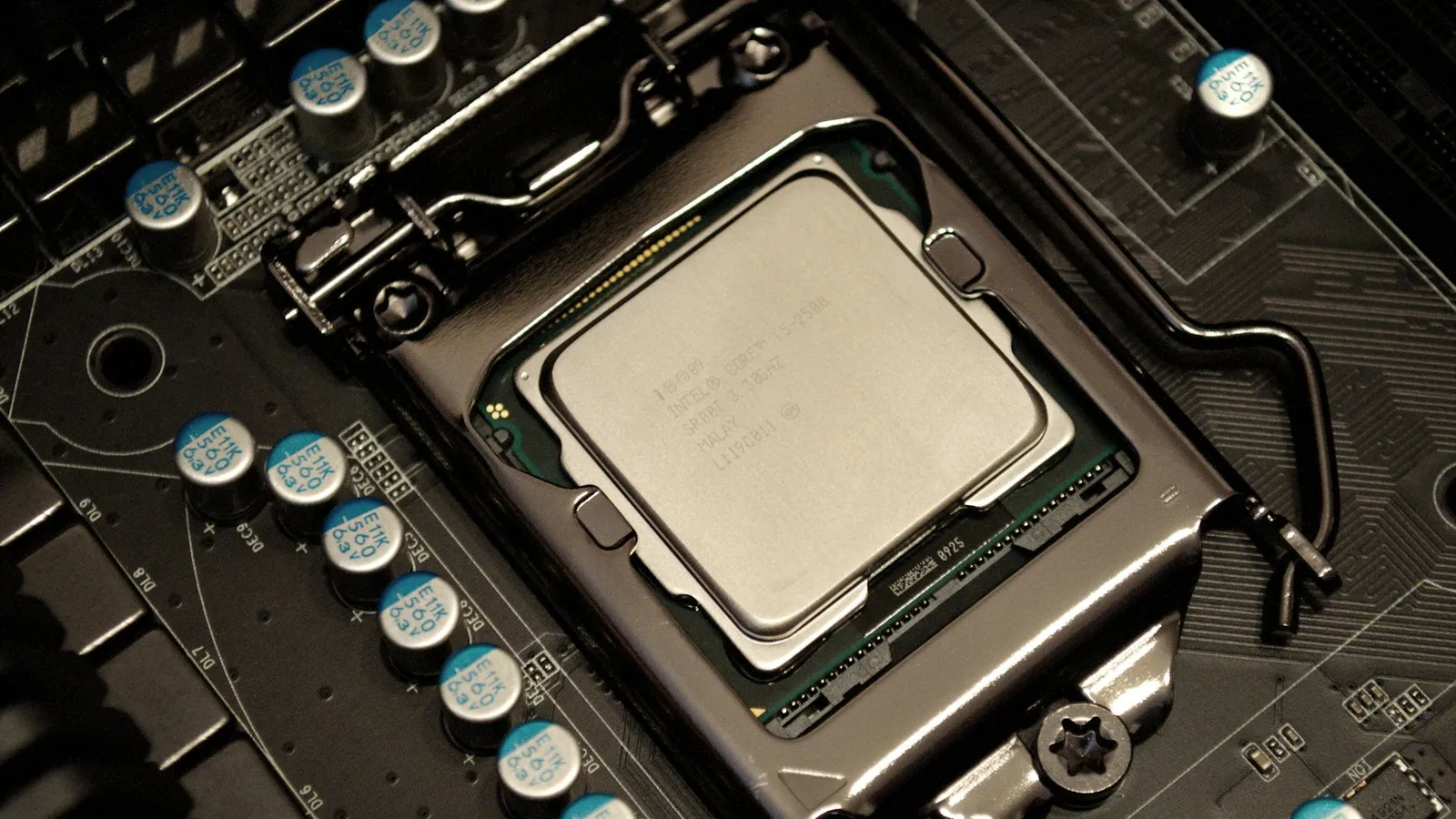
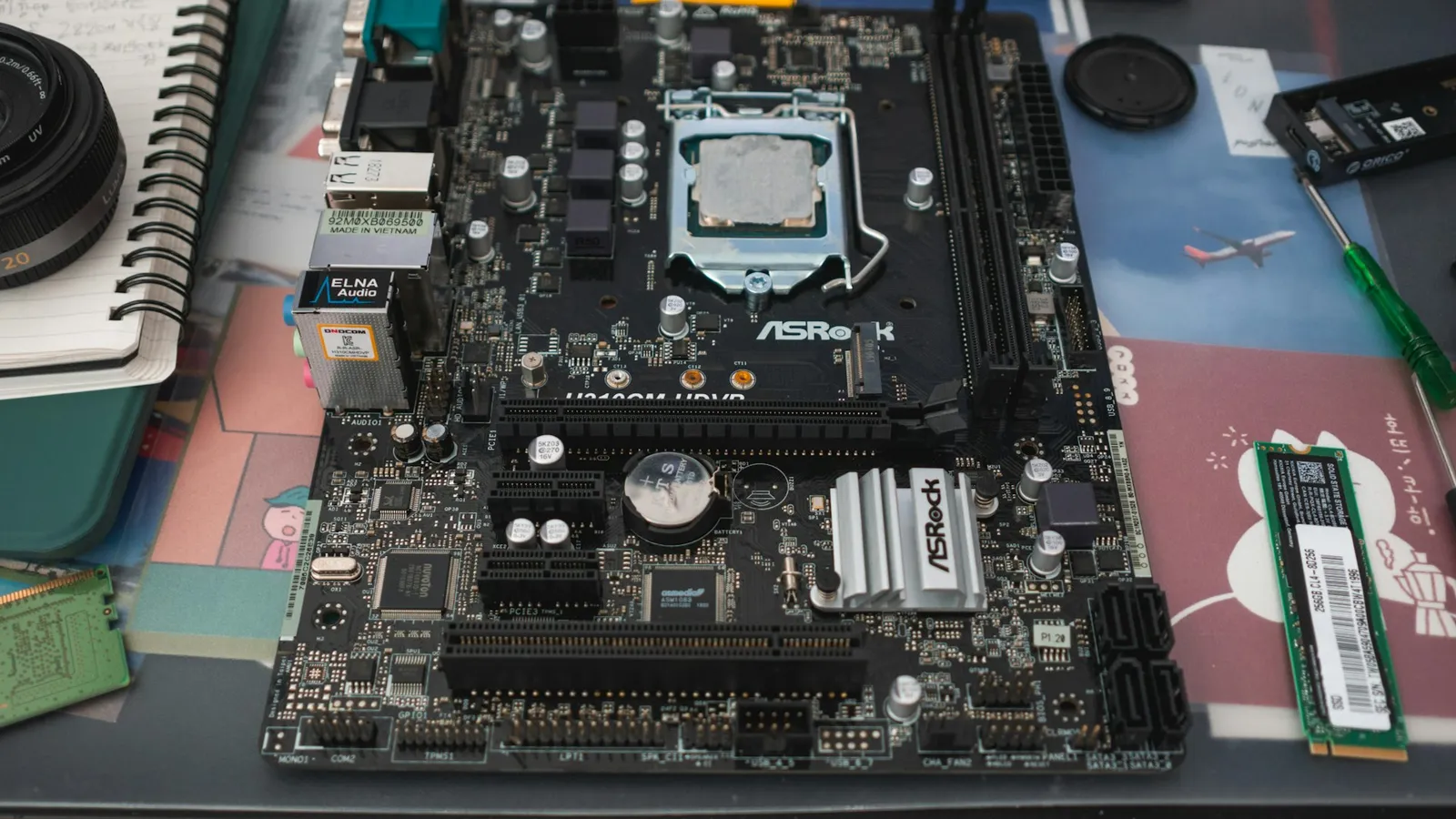
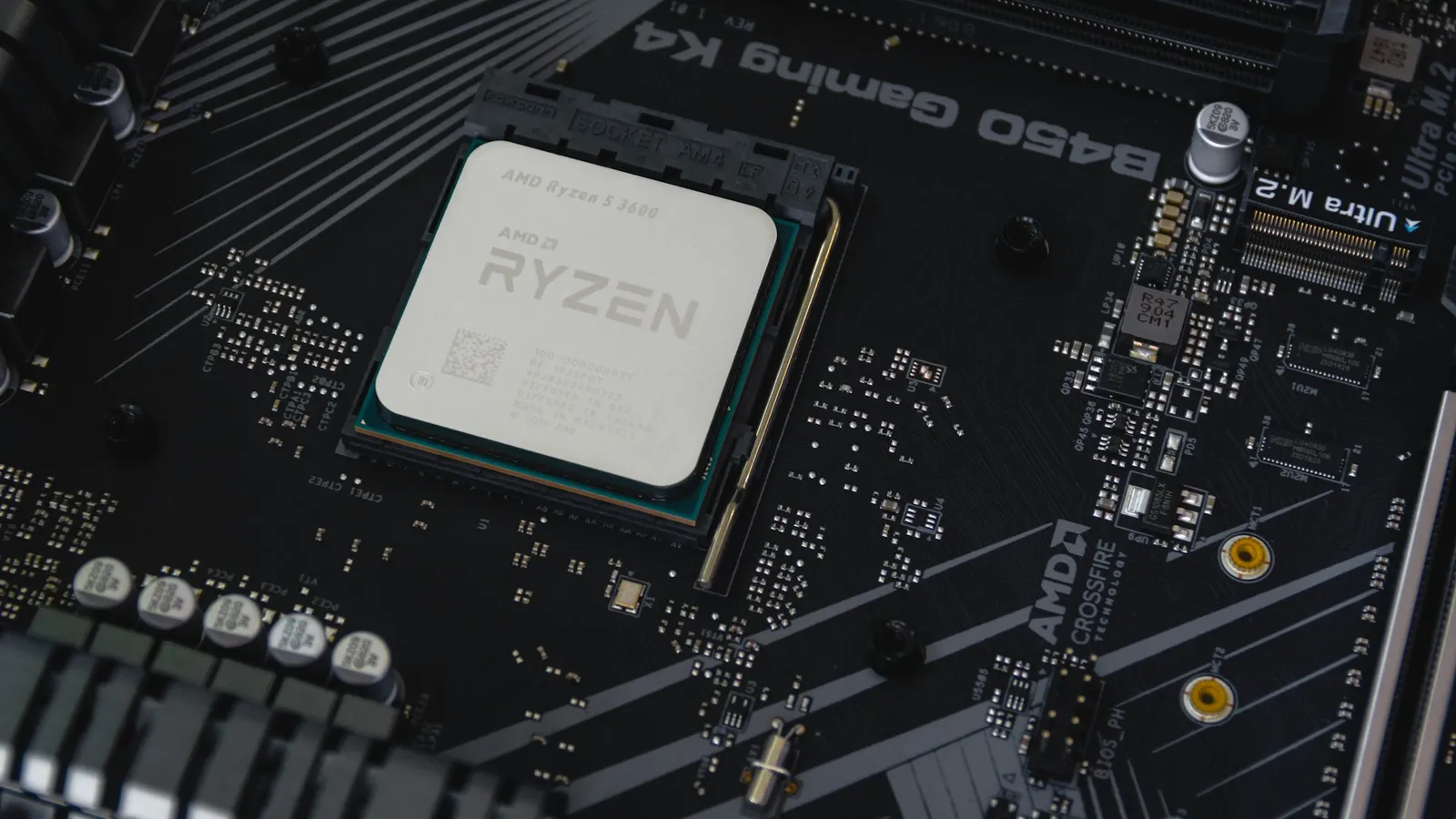
AM5 is strict about this — a DDR4 stick won't fit or post, which is exactly why DDR4 does not work on an AM5 motherboard. Intel's newest desktop platform, LGA1851, is also DDR5-only. That leaves exactly one current-generation route to DDR4: an Intel LGA1700 chip on a DDR4 motherboard, such as a MSI PRO B760M-P DDR4 board at $153.81 paired with something like a Core i5-14400F at $243.42.
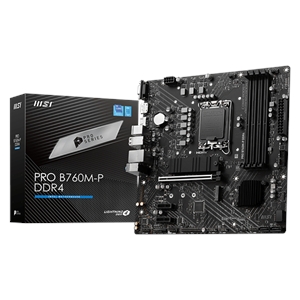
That build runs fine. The problem is what it is: LGA1700 is the end of Intel's old socket, with no new CPUs coming to it. You'd be spending near-DDR5 money on slower memory to buy into a platform with no upgrade path. The budget logic that made DDR4 smart — cheap memory plus a cheap board you could grow into — doesn't survive contact with 2026 pricing.
Where DDR4 still makes sense
There is one scenario where the in-stock DDR4 kit is the right call, and it's a good one: you already own an AM4 or LGA1700 DDR4 machine, it still does what you need, and you want to add memory rather than replace the whole thing.
Going from 8GB to 16GB, or adding a second kit to reach 32GB, keeps a functional computer functional without touching the CPU, board, or OS install. Yes, $263.99 for 16GB is a shortage price and it stings. But it's far cheaper than a new DDR5 platform — CPU, motherboard, and memory all at once — and it extends the life of hardware you've already paid for. That's the honest case for DDR4 in 2026: not a bargain, but the cheapest way to avoid a full rebuild.
What doesn't make sense is buying DDR4 as a strategy for a new system to dodge DDR5 prices. You can't, on any modern platform, and the memory itself isn't the savings it used to be.
Who should buy which
- Buy DDR4 if you already run an AM4 or Intel LGA1700 DDR4 system and just need more capacity to keep it alive. The in-stock Kingston kit is for you.
- Build on DDR5 if you're starting fresh. Every CPU worth buying new — AMD's AM5 chips like the Ryzen 7 9800X3D, or Intel's latest — needs it anyway. Plan the whole system around DDR5 in the PC Builder.
- Don't buy a new LGA1700 DDR4 platform purely to "save on RAM." The memory barely saves anything now, and the platform is a dead end.
One more honest note: DDR5 is expensive and often out of stock too right now, so this isn't DDR5 cheerleading. The point is narrower. DDR4's one job was to be cheap, and in 2026 it no longer is — so pick your memory on compatibility and the platform you actually want, not on a price gap that has closed.