
TechCortex Logo

Categories

On-Site PC ServiceMiami-Dade & Broward

Components

Gaming Equipment

Other

OrdersComparePC BuilderWishlistAccount
Back to Blog

Are SSD Prices Going Up in 2026? What the NAND Shortage Means for Your Build

Mykhailo Druz6 min read5 views
Are SSD Prices Going Up in 2026? What the NAND Shortage Means for Your Build

SSD prices are climbing fast in 2026 as the NAND shortage bites. Here is how far they have moved, why waiting it out is the wrong call this cycle, and what to actually buy.

On this page▾
  1. What changed
  2. What it means if you're buying now

Yes, SSD prices are going up, and sharply. NAND flash contract prices are set to rise another 15-20% quarter-over-quarter in Q4 2026, according to analyst firm TrendForce, capping a year in which reported contract prices for a 256GB TLC SSD jumped roughly 303% — from about $33 to about $134 — as covered by Notebookcheck. This is not a blip; it is a supply crunch driven by AI data centers.

If you are building or upgrading a PC right now, that changes the usual playbook. The reflex in past cycles was to wait for prices to drop. This cycle, the shortage runs for multiple quarters, so the storage you actually need is worth buying now — and the "future-proof" extras are worth skipping.

What changed

The shortage is a side effect of the AI build-out. Enterprise SSDs used in AI inference systems are consuming the bulk of available NAND output, and manufacturers are steering wafers toward those high-margin data-center drives rather than consumer parts. TrendForce reports enterprise SSD demand, measured by capacity, is growing more than 80% year-over-year in 2026.

That squeezes everything downstream. Consumer NVMe did not get a shortage because people suddenly bought more gaming SSDs — it got one because the factories making those chips are busy filling server orders. Notebookcheck notes SanDisk's NAND capacity sits around 30% below its 2022 peak, so there is no idle supply waiting to absorb the demand.

This is why the usual advice breaks. In the GPU shortages of years past, prices eventually normalized once mining demand collapsed. Here, the demand is structural AI infrastructure spending, and new fab capacity from the major suppliers is not expected to come online in volume until mid-to-late 2027. GamersNexus walked through the same dynamic for the enthusiast market: this is a supply problem, not a hype cycle that pops next month.
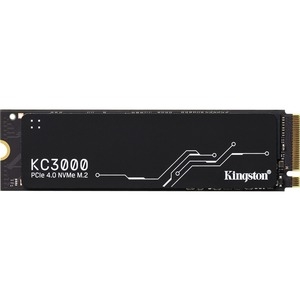
Kingston KC3000 1TB Gen4 NVMe SSD

What it means if you're buying now

Buy the drive you need, now — not later. If your build needs a boot drive, this is the cheapest it will be for several quarters. A 1TB Gen4 NVMe is the sweet spot for most gaming PCs; the Kingston KC3000 1TB at $329.99 is plenty fast for games and everyday work. Deferring that purchase to "wait for a deal" means paying TrendForce's projected 15-20% more next quarter.

Skip the Gen5 premium. This is the honest negative: during a price surge, a Gen5 drive is the one thing you should not pay for. The Samsung 9100 PRO 1TB (Gen5) at $462.40 is a superb drive, but for gaming its load times are a rounding error away from a good Gen4 drive. We broke down why in PCIe 4.0 vs PCIe 5.0 SSD. When prices are normal, the Gen5 tax is small enough to shrug off; when every dollar is inflated, it is money lit on fire.

Use cheaper media for bulk storage. You do not need NVMe speed for a game library, archive, or backups — you need capacity. A mechanical drive like the Seagate BarraCuda 2TB at $188.62 holds the same 2TB as the Kingston NV3 2TB NVMe at $450.85, and the difference in level-load time on a secondary library is seconds, not minutes. Put the OS and your two or three active games on a fast NVMe; park everything else on the cheap drive. Our SATA vs NVMe SSD piece covers where that trade-off actually shows up.
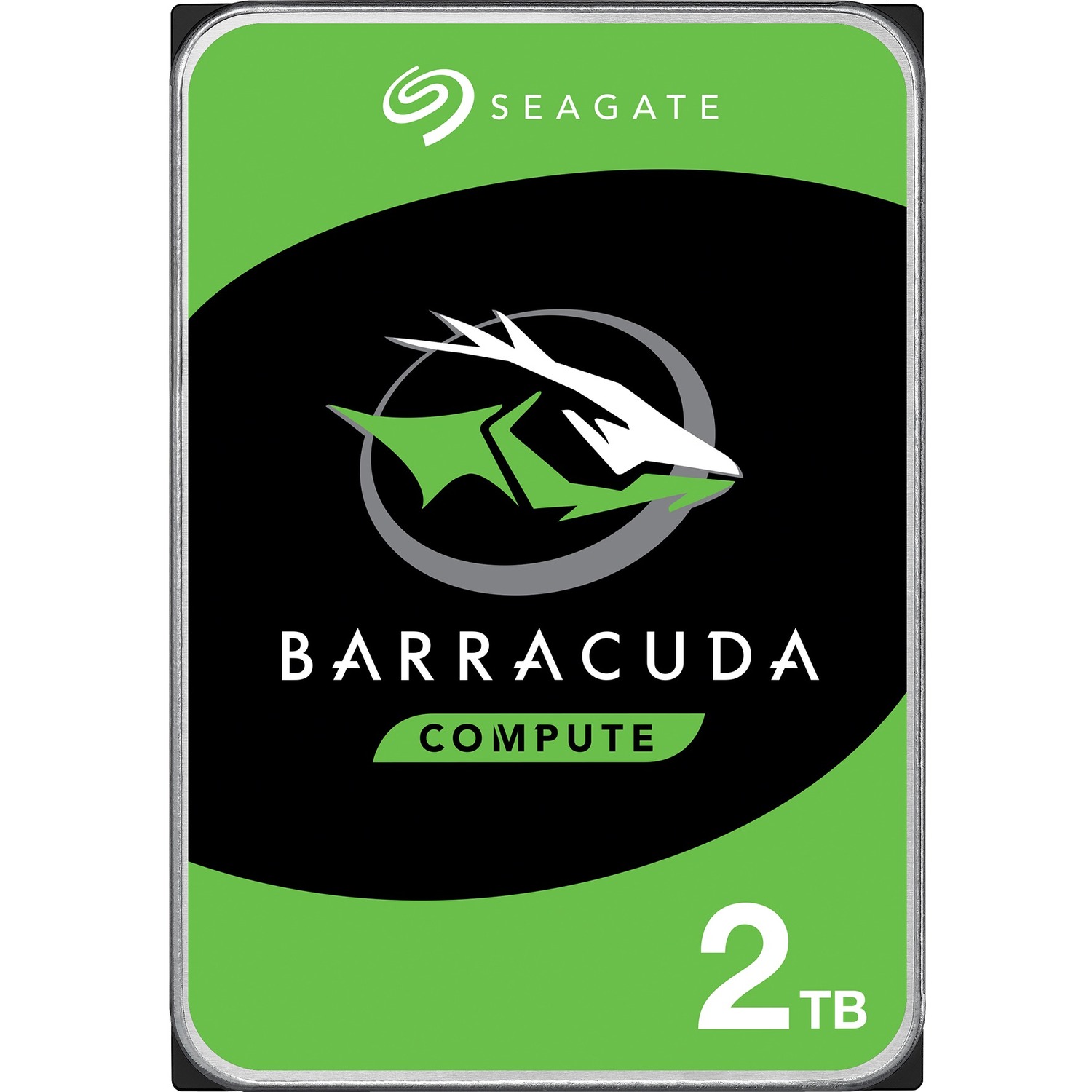
Seagate BarraCuda 2TB hard drive

Do not panic-buy. A shortage tempts hoarding, but a 4TB drive you only half-fill is still a 4TB drive you overpaid for. Buy the capacity you will realistically use in the next year. If you already have enough storage, the best move during this surge is to not upgrade at all and spend the budget where it matters — this is the same logic we applied to memory in when will RAM prices go down in 2026.

If you are speccing a whole machine, the PC Builder checks part compatibility as you go, so you can size storage against the rest of the budget instead of guessing.

Frequently Asked Questions

Will SSD prices go down in 2026?

No. TrendForce forecasts NAND contract prices rising another 15-20% in Q4 2026, and expects the shortage to persist. Meaningful new supply is not expected until mid-to-late 2027, so a near-term drop is unlikely.

Should I buy an SSD now or wait?

If you need one for a build, buy now. Prices are projected to keep climbing through the quarter, so waiting means paying more, not less. If you already have enough storage, wait — but do not expect a bargain soon.

Why are SSDs so expensive right now?

AI data centers are buying up NAND flash for enterprise SSDs, and manufacturers are prioritizing those high-margin drives over consumer products. That leaves less supply for the NVMe drives that go in gaming PCs, which pushes prices up.

Is a Gen5 SSD worth it right now?

For gaming, no. Gen5 drives cost a premium over Gen4 for load times that are nearly identical in real games. During a price surge, that premium is especially hard to justify — a good Gen4 drive like the Samsung 990 PRO 1TB delivers the gaming experience for less.

Are hard drives cheaper than SSDs for bulk storage during the shortage?

Yes, per gigabyte. A 2TB mechanical drive costs well under half of a 2TB NVMe SSD right now. For a game library, backups, or media where load speed barely matters, a hard drive stretches a shortage-era budget much further.

About the author

Mykhailo Druz

Written by

Mykhailo Druz

Co-Founder, Technical Lead & Editor-in-Chief, TechCortex

Mykhailo Druz is a co-founder, technical lead, and editor-in-chief at TechCortex, a US PC hardware store. As the company developer, he created CortyAI, the AI assistant behind the TechCortex PC Builder.

When Will RAM Prices Go Down? Reading the 2026 Memory Shortage
News
RAM
PC Building

When Will RAM Prices Go Down? Reading the 2026 Memory Shortage

No supplier is calling a bottom. Here's what the memory market's own forecasters actually say about when the 2026 RAM price spike eases, and what to do while you wait.

November 11, 2026
6 min
20
Are GPU Prices Going Up in 2026? Why, and What to Buy Now
News
GPU
NVIDIA

Are GPU Prices Going Up in 2026? Why, and What to Buy Now

Yes — and unlike CPUs, the 2026 increases land on the cards gamers actually buy. The driver is memory, not demand. Here's what changed, why prices won't fall soon, and how to buy smart right now.

October 21, 2026
6 min
51
Are CPU Prices Going Up in 2026? What the October Hikes Actually Hit
News
CPU
PC Building

Are CPU Prices Going Up in 2026? What the October Hikes Actually Hit

Reported processor price increases are moving through the market in October 2026, but they land on next-gen and laptop chips, not the desktop gaming CPUs most builders buy. Here's what changed and what to do.

October 15, 2026
6 min
50
Is Now a Good Time to Build a PC? What the 2026 Memory Crunch Changed
News
PC Building
RAM

Is Now a Good Time to Build a PC? What the 2026 Memory Crunch Changed

Memory and storage prices spiked in 2026, but CPUs, boards and power supplies didn't. Build now around the stable parts and buy only the RAM and SSD capacity you'll actually use.

September 28, 2026
5 min
33
DDR5 Prices Keep Climbing in 2026: How Much RAM to Buy Now
News
RAM
PC Building

DDR5 Prices Keep Climbing in 2026: How Much RAM to Buy Now

AI datacenters pushed DDR5 up hard in 2026. Here is how much RAM to actually buy for a gaming PC right now, and why waiting for a price drop is a losing bet.

September 21, 2026
6 min
89
PCIe 4.0 vs PCIe 5.0 SSD: What Actually Changes for Gaming
Comparisons
Storage
Performance

PCIe 4.0 vs PCIe 5.0 SSD: What Actually Changes for Gaming

A Gen5 SSD roughly doubles sequential speed on paper, but real game load times barely move and the drive runs hotter. Here is when the extra bandwidth is worth paying for.

July 19, 2026
7 min
180