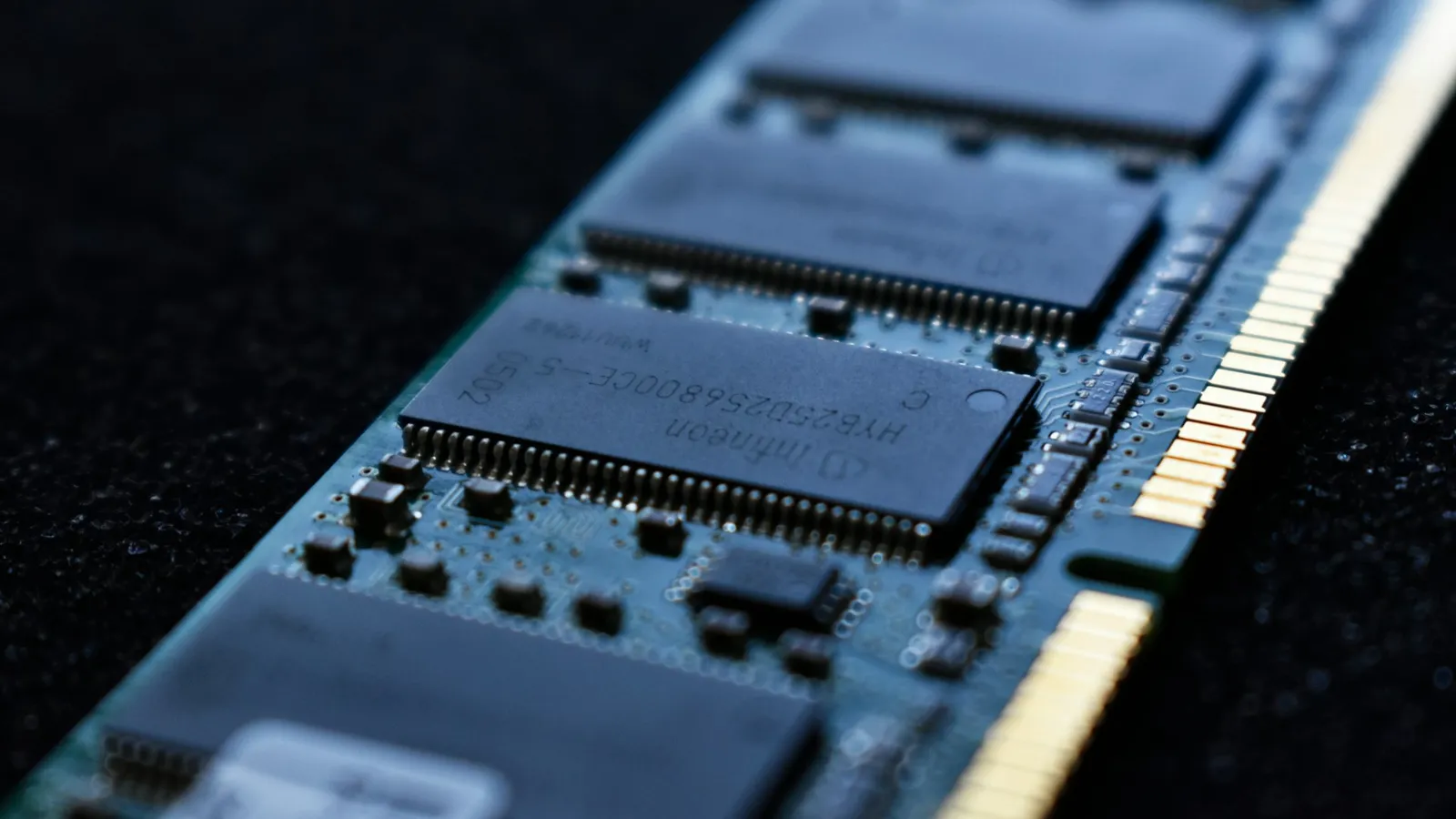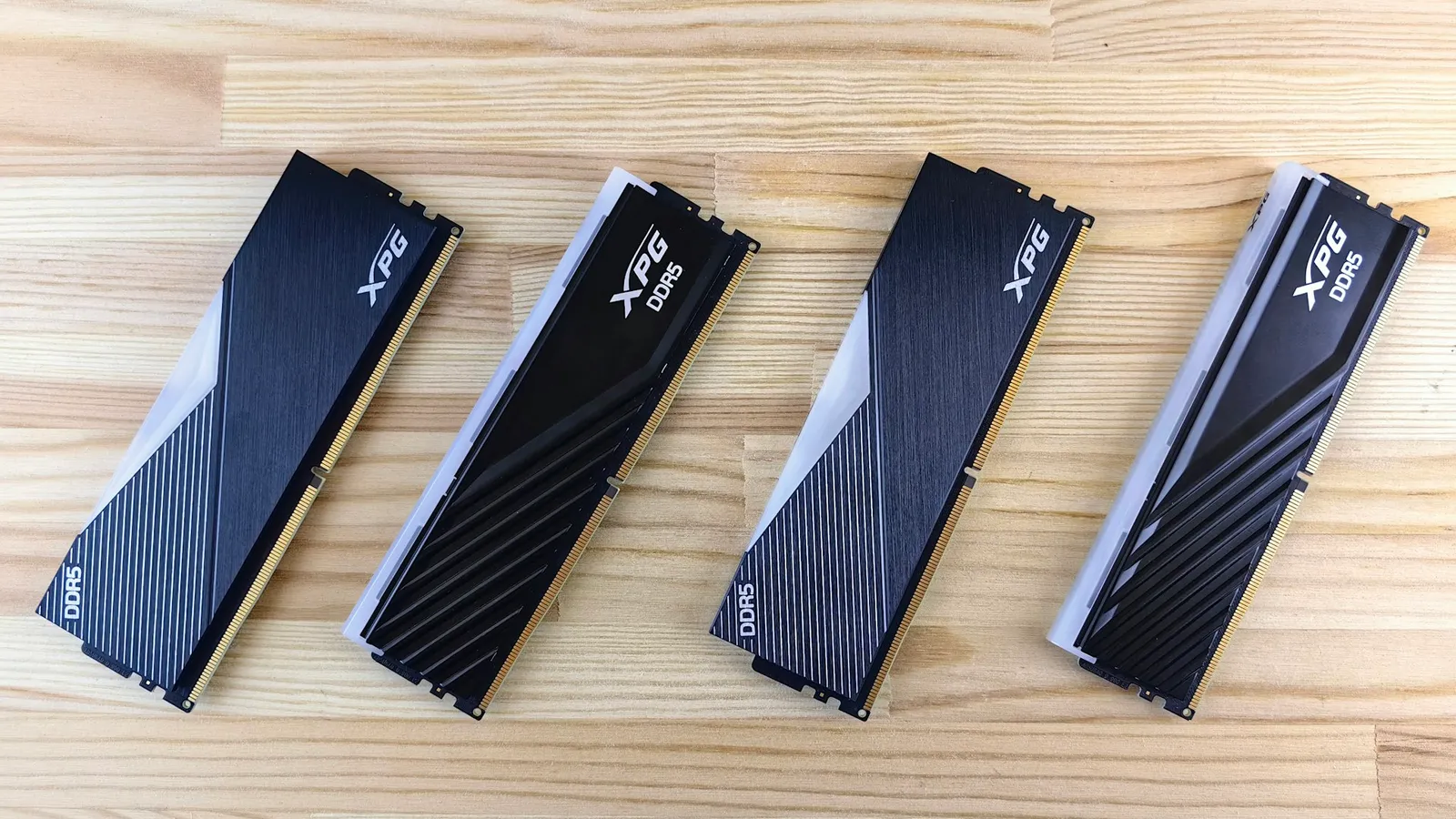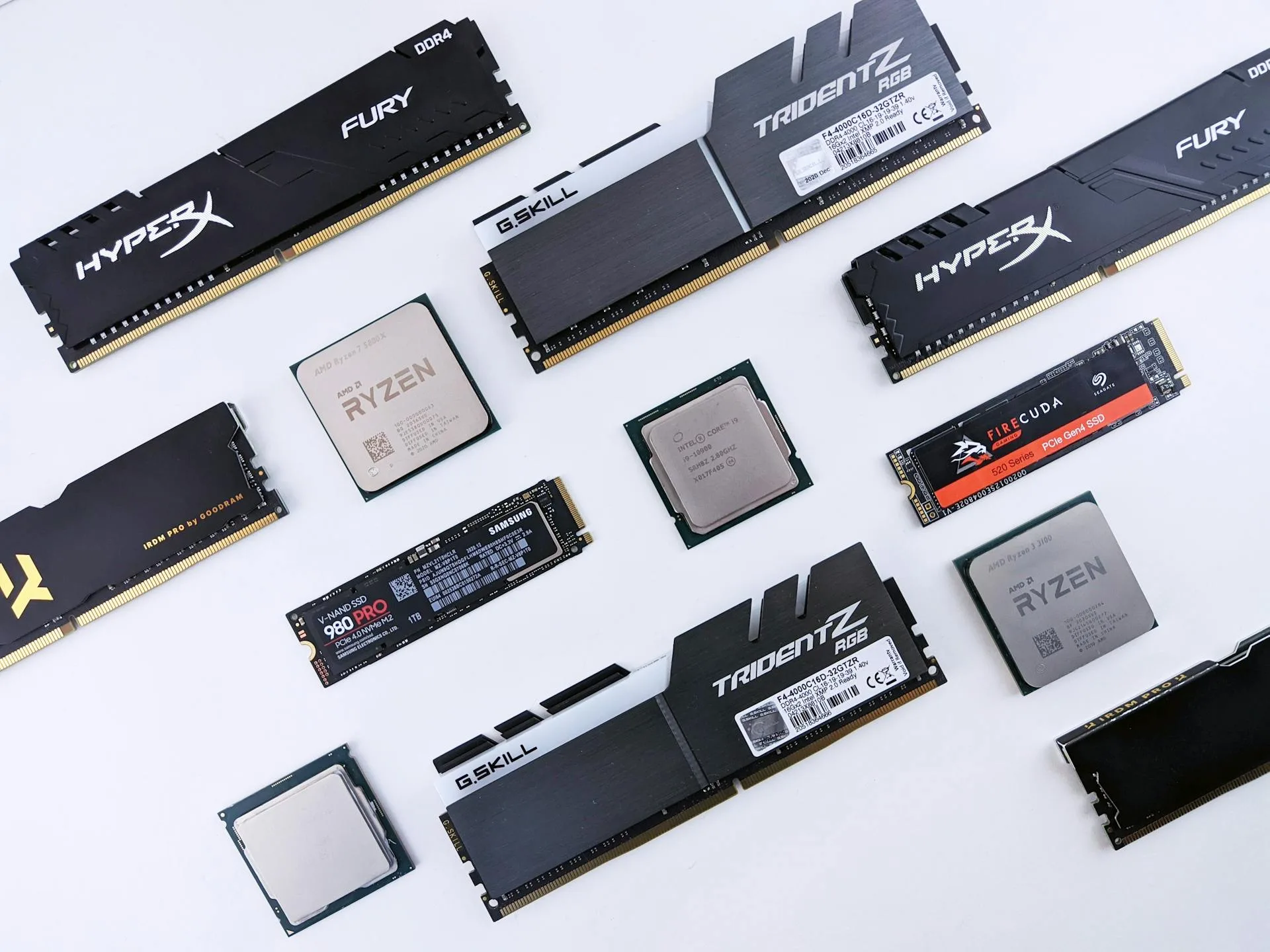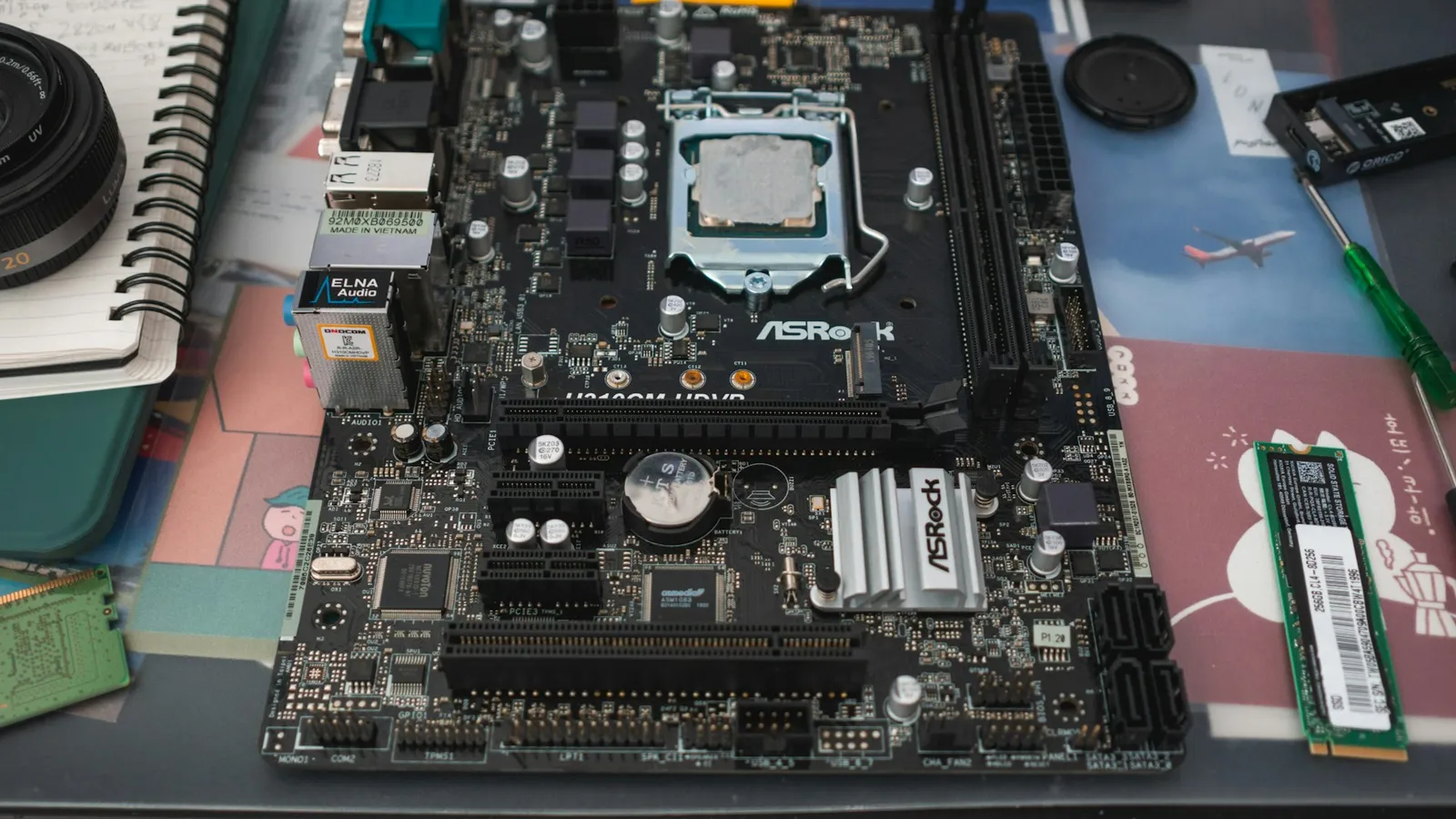
No one who tracks the memory market is giving a firm date, and the credible signals all point to more increases before any relief. As of November 2026, RAM is still one of the most expensive line items in a PC build, and the clearest first-party evidence of that came on November 6, when Framework — a company that sells DDR5 modules directly — raised prices on its 16GB, 32GB, and 48GB DDR5 modules again, the latest step in a year of steady increases. If you are waiting for a price drop before you buy, there is no published timeline to wait for.
This matters because the usual logic is backwards right now. When a part is falling in price, delaying a purchase saves money. RAM in 2026 has done the opposite all year, so every month spent waiting has cost more, not less — and the forecasters who called this spike are still not calling its end.
What the memory market's forecasters are actually saying
The two most useful signals are not from retailers; they are from an industry analyst and from a vendor publishing its own costs with dates attached.
TrendForce, the firm most PC outlets cite for memory pricing, revised its Q4 2025 outlook for conventional DRAM contract prices from 8–13% up to 18–23% quarter-over-quarter, and said DDR5 contract prices would "maintain an upward trajectory throughout 2026," especially in the first half. It described a structural supply shortage driven by cloud and AI datacenter demand, not a temporary blip.
Framework's pricing log is the reality check. The company raised its DIY DDR5 pricing by 50% in late 2025, reset to roughly $10/GB in December, climbed to $12–16/GB in February 2026 and $13–18/GB in March, and then raised 16/32/48GB module prices once more on November 6, 2026. In its own words, it expects "volatility and cost increases through the rest of 2026" and has called this "a challenging year and possibly even years for consumers." That is a seller telling you, on the record, that it does not see the top yet.
Why a price drop has no date yet
The honest answer to "when will it end" is that nobody credible will commit to one, and the mechanism explains why.
Memory makers moved production toward high-bandwidth memory (HBM) and server DRAM because those sell to datacenter buyers at far higher margins — TrendForce put HBM3e's premium at more than four times DDR5 in Q2 2025. That is the squeeze on consumer PC memory. The twist is that TrendForce also projected DDR5 profitability to surpass HBM3e starting in Q1 2026, which would normally pull capacity back toward DDR5 and ease prices.
So why no relief by November? Because profitability flipping on a spreadsheet is not the same as chips on a shelf. New fab capacity takes years to build, and Framework notes memory makers have been burned by past boom-and-bust cycles and are slow to fund expansion. A favorable margin shift sets up eventual relief; it does not deliver it this quarter. Anyone quoting you a precise month for cheaper RAM is guessing past what the actual forecasters will say.
What it means if you're building or upgrading now
Buy the memory your machine actually needs, at the capacity it will actually use, and stop treating the purchase as something to time. Our own how much RAM to buy at these prices breakdown still holds: 32GB is the comfortable gaming target, 16GB is the working floor, and 64GB is for people who run virtual machines or heavy content work — not for a pure gaming rig.
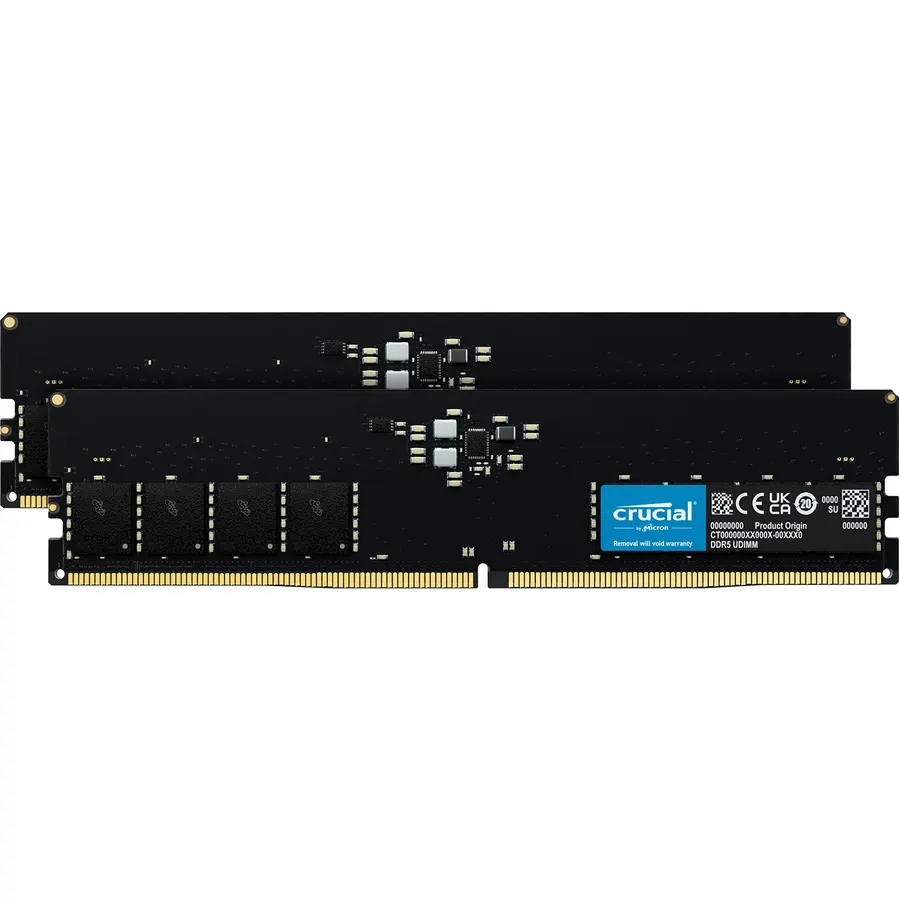
In the catalog right now, the in-stock DDR5 option is a 64GB (2 × 32GB) Micron kit at $725.07. It is genuinely useful if you multitask hard, but it is more capacity than a gaming-only build will touch, and paying a shortage premium for headroom you never use is the most expensive mistake you can make in this market.
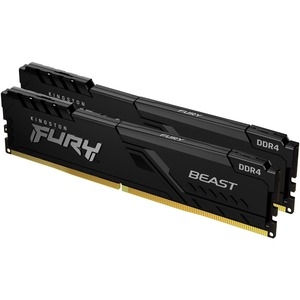
For an older AM4 or Intel platform, the cheap DDR4 top-up era is also over. A Kingston FURY Beast 16GB (2 × 8GB) DDR4-3200 kit is $263.99 here — still a valid way to keep a working machine alive, but no longer the throwaway upgrade it was in 2025.
The better lever is where you spend, not when. As covered in is now a good time to build a PC, CPUs, motherboards, and power supplies did not spike the way memory did. Build around those stable parts in the PC Builder, take the minimum sensible RAM capacity today, and put the rest of the budget where it still buys performance.